 Suzhou Delfino Environmental Technology Co., Ltd.
Select Language
English
Suzhou Delfino Environmental Technology Co., Ltd.
Select Language
English
Send Inquiry
Video
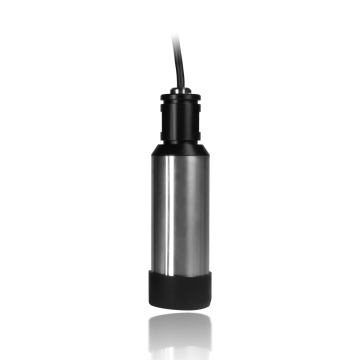

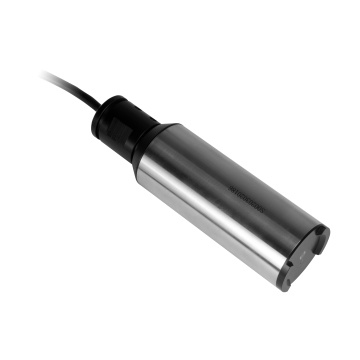

In the field of water quality monitoring and analysis, Daruifuno's water quality instrument development team has stringent requirements on the performance of sensors, especially for waterproof sensors, pressure-resistant sensors, and air-tightness. We adhere to the concept of practice to gain true knowledge and continue to explore and optimize. To achieve this goal, we use innovative pipeline installation methods to cleverly integrate various types of sensors and probes (including but not...
Requirements for Turbidity Measurement Equipment Turbidity measurement places certain demands on equipment, focusing on performance, accuracy, stability, ease of operation, and other aspects. Below is a detailed explanation of the requirements for turbidity measurement equipment. Performance Requirements Measurement Range: Turbidity measurement equipment should have a wide measurement range to accommodate the measurement needs of different turbidity water bodies. The common measurement range is...
Overview Discover the essential protocol for conducting a rigorous temperature and pressure destructive test on water quality sensors, leveraging advanced equipment and sophisticated software to ensure comprehensive evaluation. Required Equipment for Testing Water Quality Sensor: The subject under test, designed to measure various parameters in aquatic environments. Temperature & Pressure Chamber: A specialized device capable of simulating extreme conditions to test the sensor's...
Water is the source of life, and its quality directly affects human health and the environment. Monitoring water quality is essential, and turbidity is one of the key indicators in this field. What is Turbidity? Turbidity, measured in NTU (Nephelometric Turbidity Units) or TU (Turbidity Units), is the degree of light scattering caused by suspended particles in water. These particles include silt, sand, microorganisms, plankton, and colloidal substances. Besides the concentration of suspended...