

Send Message
Privacy statement: Your privacy is very important to Us. Our company promises not to disclose your personal information to any external company with out your explicit permission.
 Shenzhen DOSZ Technology Co., Ltd.
Select Language
English
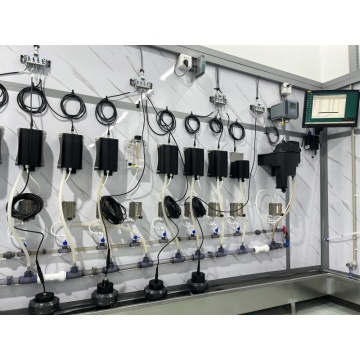
In the field of water quality monitoring and analysis, DOSZ's water quality instrument development team has stringent requirements on the performance of sensors, especially for waterproof sensors, pressure-resistant sensors, and air-tightness. We adhere to the concept of practice to gain true knowledge and continue to explore and optimize. To achieve this goal, we use innovative pipeline installation methods to cleverly integrate various types of sensors and probes (including but not...
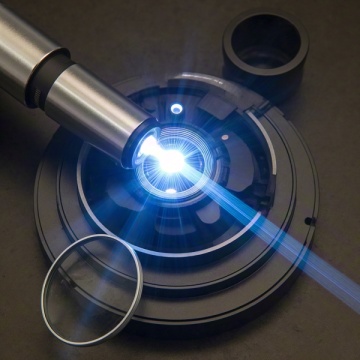
Overview As a high-precision water quality monitoring device, the signal detection process of fluorescent dissolved oxygen sensor involves knowledge and technology in multiple fields such as optics, electronics and signal processing. This article will introduce the signal detection process of fluorescent dissolved oxygen sensor in detail, including the generation and irradiation of excitation light, the generation and emission of fluorescence, the detection and signal conversion of...
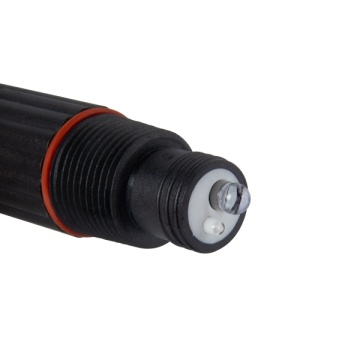
Introduction to Electrode Glass Membrane The electrode glass membrane, a critical component in pH electrodes, possesses a series of unique properties that make it suitable for use in harsh environments. Its construction typically involves a combination of materials such as glass, porous Teflon diaphragm, and ceramic frits (in ring, dot, or other shapes). Special Features of DOSZ's pH Electrode Glass Membrane DOSZ's pH electrode features a low impedance hemispherical glass membrane,...
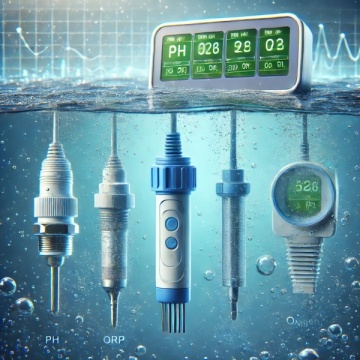
Overview Water quality is a critical factor in environmental protection, industrial processes, and public health. Effective monitoring and control help maintain safe drinking water, optimize industrial processes, and ensure environmental compliance. Modern water quality sensors, such as pH sensors, ORP sensors, conductivity sensors, and dissolved oxygen sensors, provide real-time data for accurate water management. 1. Importance of Water Quality Monitoring Water contamination can have serious...
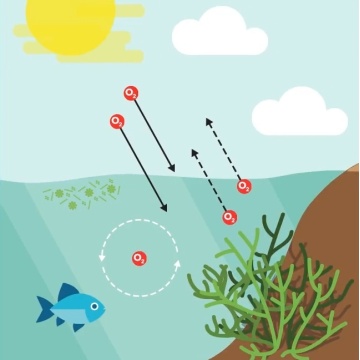
Overview Discover the importance of dissolved oxygen in water, its impact on aquatic ecosystems, factors affecting levels, and methods for accurate monitoring. DO & Dissolved Oxygen ? ? What is Dissolved Oxygen and Why is it Important? Dissolved oxygen (DO) is essential for aquatic life, affecting water quality and ecological balance. It refers to free oxygen present in water, distinct from the oxygen bonded in H?O molecules. Most aquatic organisms, including fish and beneficial bacteria,...
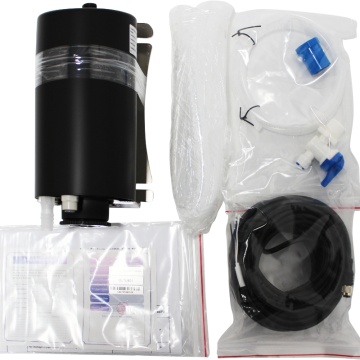
Requirements for Turbidity Measurement Equipment Turbidity measurement places certain demands on equipment, focusing on performance, accuracy, stability, ease of operation, and other aspects. Below is a detailed explanation of the requirements for turbidity measurement equipment. Performance Requirements Measurement Range: Turbidity measurement equipment should have a wide measurement range to accommodate the measurement needs of different turbidity water bodies. The common measurement range is...
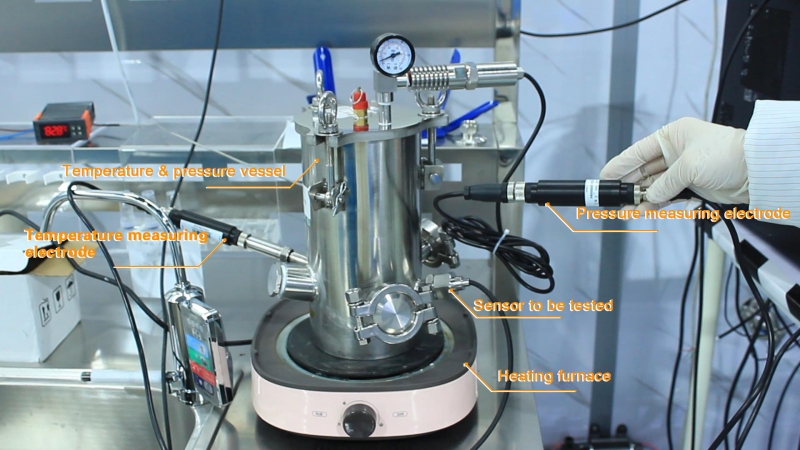
Overview Discover the essential protocol for conducting a rigorous temperature and pressure destructive test on water quality sensors, leveraging advanced equipment and sophisticated software to ensure comprehensive evaluation. Required Equipment for Testing Water Quality Sensor: The subject under test, designed to measure various parameters in aquatic environments. Temperature & Pressure Chamber: A specialized device capable of simulating extreme conditions to test the sensor's...
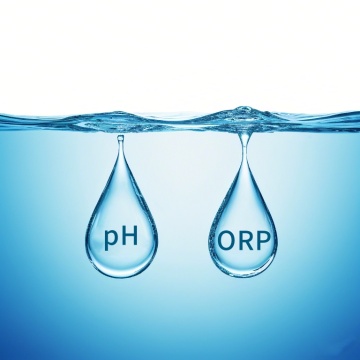
Overview In the field of water quality monitoring, pH and oxidation-reduction potential (ORP) are two of the most well-known parameters. While individually insightful, their combined measurements provide a comprehensive view of water conditions, applicable in hydroponics, environmental sampling, and brewing premium beverages. What is Water pH? pH measures the concentration of hydrogen ions. Pure water has a pH value of 7, indicating neutrality. Acidic substances have a pH below 7, while basic...

Water is the source of life, and its quality directly affects human health and the environment. Monitoring water quality is essential, and turbidity is one of the key indicators in this field. What is Turbidity? Turbidity, measured in NTU (Nephelometric Turbidity Units) or TU (Turbidity Units), is the degree of light scattering caused by suspended particles in water. These particles include silt, sand, microorganisms, plankton, and colloidal substances. Besides the concentration of suspended...
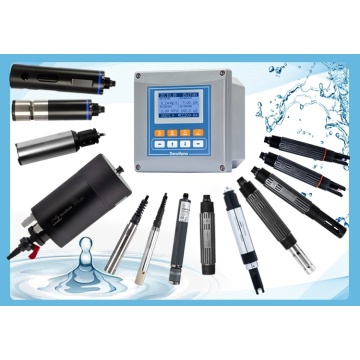
The MCC200 multi-parameter controller, meticulously developed by DOSZ, is a high-performance online control device designed specifically for water quality parameter monitoring. This multi-channel digital universal controller has emerged as a leader in the field of water quality monitoring, thanks to its exceptional performance and broad applicability. Equipment Introduction The MCC200 multi-parameter controller supports the simultaneous connection of 4 or 8 digital sensors (this...
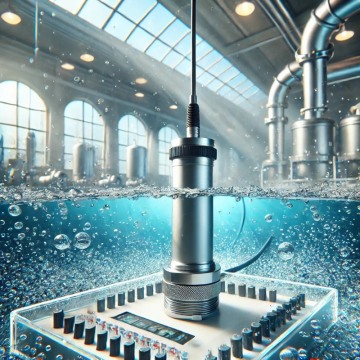
In today's industrial and environmental contexts, maintaining water quality is critical. Water turbidity sensors and water turbidity probes are at the forefront of this effort, providing precise, real-time monitoring of suspended particles in liquids. Working Principle of Turbidity Sensors Turbidity sensors utilize optical scattering to measure the concentration of suspended particles. By emitting light into the water and measuring the intensity of scattered light, they can accurately determine...
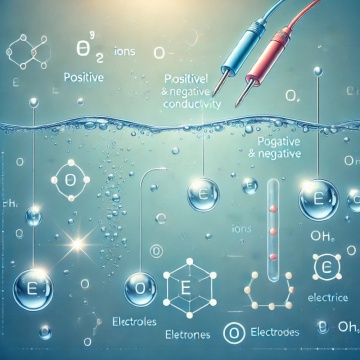
Introduction Conductivity, a measure of a material's ability to conduct electric current, is a critical property in numerous industries. From water treatment to chemical production and food processing, conductivity plays a vital role in ensuring the quality, consistency, and safety of various processes and products. How Conductivity Works The conductivity of a material is determined by the concentration and mobility of ions within it. In pure water, for example, the conductivity is low because...

In water quality monitoring and ecological protection, pH and ORP are critical parameters that provide insights into the chemical state of water bodies. This guide explains their differences, applications, and how to choose the right measurement for your needs. 1. Introduction ??2. pH Measurement ??3. ORP Measurement ??4. Comparison of pH and ORP ??5. Choosing the Right Measurement ? 6. Conclusion 1. Introduction pH and ORP (Oxidation-Reduction Potential) are fundamental parameters in water...
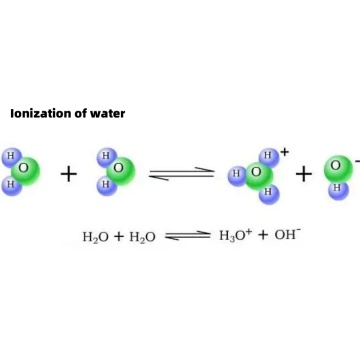
Overview of pH pH generally refers to the hydrogen ion concentration index. Hydrogen ion concentration is a method of expressing hydrogen ion concentration. It is the negative value of the common logarithm of the hydrogen ion concentration (activity) in aqueous solution, that is, -lg[H?]. The determination of hydrogen ion activity index can be qualitatively determined by using pH indicators and pH test paper, while quantitative pH measurement requires the use of pH analyzers or pH meters....
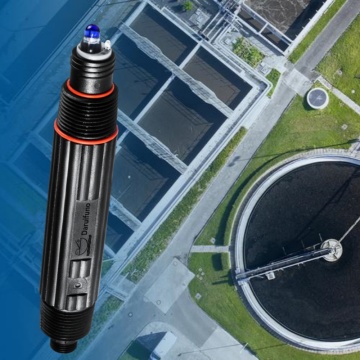
Overview G thread and NPT thread are two common thread types, each with different characteristics and applications. G thread is a British cylindrical pipe thread, mainly used for connections between non-threaded sealed pipes, pipe fittings and pipeline instruments, so it is also called a non-sealed thread pipe thread. It has no sealing function by itself, but can be used with other sealing elements to achieve sealing. NPT thread is a US 60-degree tapered pipe thread, mainly used in North...
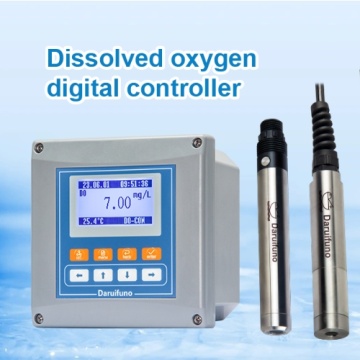
Overview Optical dissolved oxygen sensors do not require electrode liquid and do not consume oxygen. They have the characteristics of plug-and-play and are increasingly favored by various industries.So in which applications do you need a dissolved oxygen sensor? The following Drifino company will introduce to you the application of dissolved oxygen sensors. 1. Aquaculture:Aquaculture has freshwater (currently factory farming) and offshore mariculture methods. Dissolved oxygen in aquaculture is...
About Us
Related Products List
Contact Us

Send Inquiry
Privacy statement: Your privacy is very important to Us. Our company promises not to disclose your personal information to any external company with out your explicit permission.
Fill in more information so that we can get in touch with you faster
Privacy statement: Your privacy is very important to Us. Our company promises not to disclose your personal information to any external company with out your explicit permission.