

Send Message
Privacy statement: Your privacy is very important to Us. Our company promises not to disclose your personal information to any external company with out your explicit permission.
 Shenzhen DOSZ Technology Co., Ltd.
Select Language
English
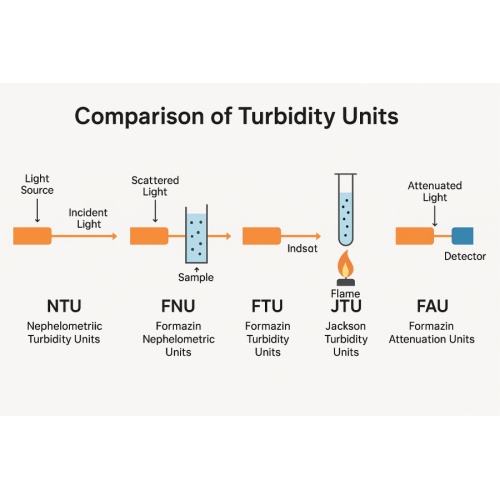
Understanding Turbidity Units: NTU, FNU, FTU, JTU, and FAU Explained
Overview Turbidity is a key indicator of water quality, measuring the cloudiness or haziness of a fluid due to the presence of suspended particles. These particles scatter light, and the extent of scattering is quantified using different turbidity units. Understanding these units is essential for accurate monitoring and regulatory compliance in water and wastewater treatment applications. ? What Is NTU in Turbidity? NTU stands for Nephelometric Turbidity Units. It represents a measurement of...
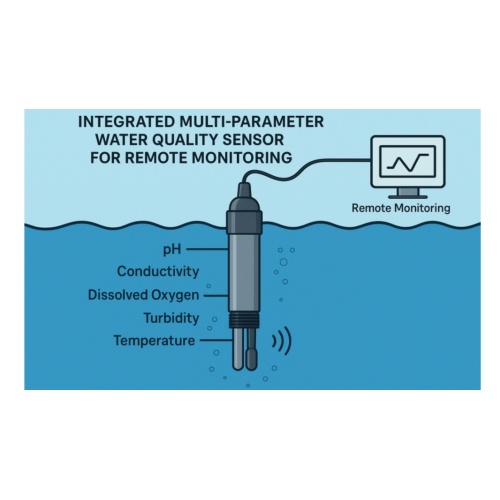
Integrated Multi-Parameter Water Quality Sensors for Remote Monitoring
Overview Remote water monitoring is becoming increasingly essential for environmental agencies, industrial plants, aquaculture, and water utilities. Integrated multi-parameter sensors offer a compact and reliable solution for continuous, real-time measurement of key water quality indicators such as pH, conductivity, dissolved oxygen, turbidity, and temperature—all within a single device. ? Definition A multi-parameter water quality sensor is a modular instrument that combines multiple sensing...
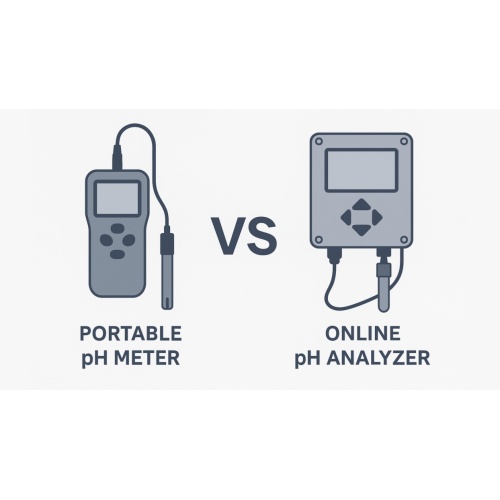
Portable pH Meters vs Online pH Analyzers: Which to Choose?
Overview pH measurement is essential in various industries including water treatment, food processing, chemical manufacturing, and environmental monitoring. Two common types of instruments used for pH monitoring are portable pH meters and online pH analyzers. Understanding the key differences between them can help professionals select the most suitable tool for their specific applications. Definition A portable pH meter is a handheld device designed for spot-checking pH values in the field or...
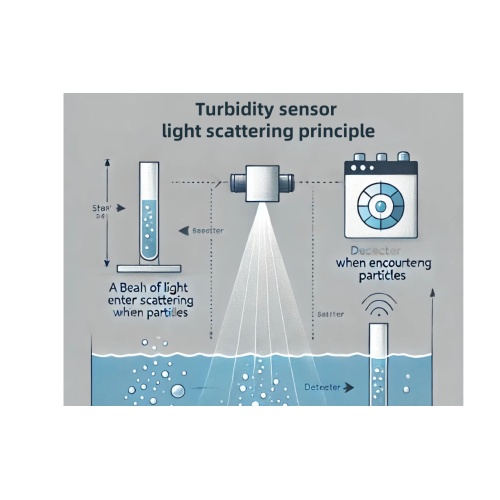
Overview Turbidity sensors, or turbidity probes, have evolved into sophisticated devices that transcend their basic function of measuring water clarity. Equipped with advanced optical technology, such as infrared beams and multi-angle light scatter detection, these modern sensors provide precise measurements in even the most challenging conditions. Below, we delve into the advanced features of turbidity sensors, their real-world applications across various industries, how they enhance...
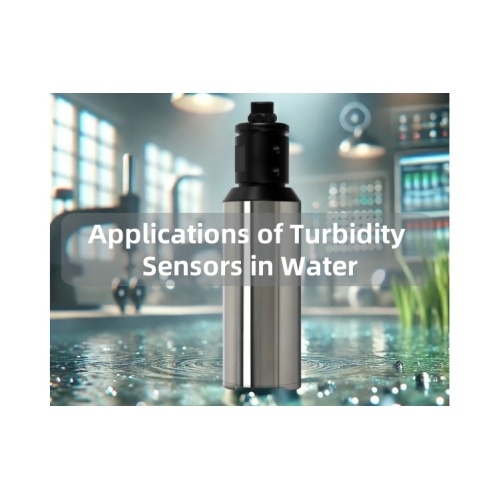
Applications of Turbidity Sensors in Water
Description Turbidity sensors, also known as turbidity probes, are critical tools in the field of water quality monitoring. These devices measure the cloudiness or haziness of a liquid, which is caused by the presence of suspended particles. Turbidity levels serve as an important indicator of water quality, making these sensors indispensable in various water-related applications. ? What is Turbidity and How is it Measured? Turbidity refers to the amount of light scattered by particles suspended...
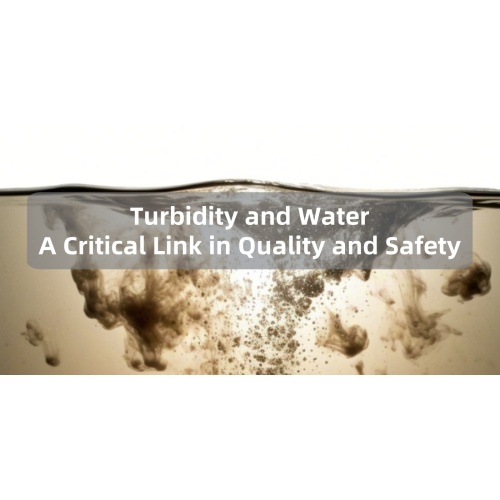
Turbidity and Water: A Critical Link in Quality and Safety
Overview Turbidity, a pivotal parameter in evaluating water quality, offers insights into the clarity and purity of liquid, particularly in the context of water. As an optical characteristic, it signals the presence and concentration of suspended particles, colloids, and dissolved materials within water.When light passes through a water sample, turbidity is measurable by the degree of light scattering caused by these impurities, resulting in reduced transparency and clarity. ? Importance in...
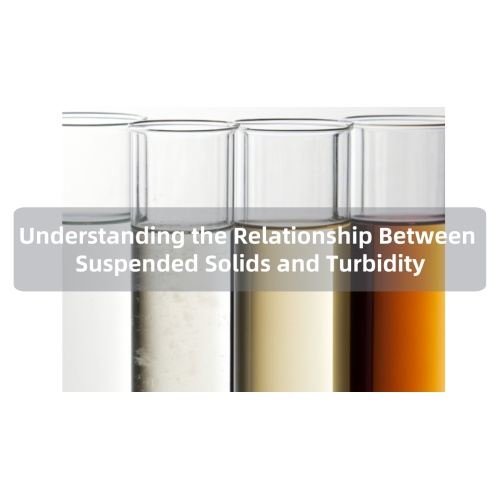
Understanding the Relationship Between Suspended Solids and Turbidity
Overview Water quality is a critical concern for industries, ecosystems, and human health. In this article, we’ll explore how suspended solids and turbidity impact water clarity and quality. You’ll also learn about advanced solutions like the OPTU850 turbidity sensor that help monitor and manage these factors effectively. What Are Suspended Solids? Suspended solids are microscopic or visible particles that remain undissolved in water and move with its flow. These particles can originate from:...
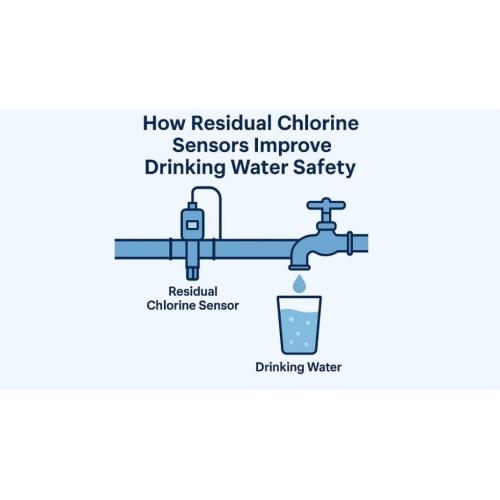
How Residual Chlorine Sensors Improve Drinking Water Safety
Overview Ensuring safe and clean drinking water is a critical task in modern water treatment systems. One essential parameter for water safety is the concentration of residual chlorine — a disinfectant commonly used to eliminate bacteria and pathogens. Residual chlorine sensors play a vital role in real-time monitoring of disinfectant levels in municipal water supplies, helping utilities maintain effective treatment while preventing health risks from both under- and over-chlorination. ? What Is...
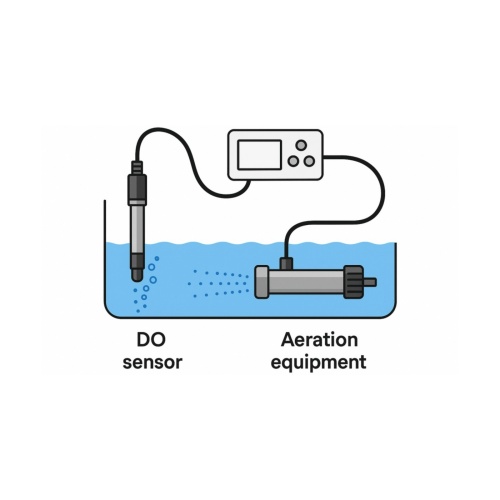
How Dissolved Oxygen Sensors Optimize Aquaculture and Aeration Systems
Overview In modern aquaculture, maintaining optimal water quality is crucial for fish health and growth. One of the most critical parameters is dissolved oxygen (DO). A dissolved oxygen sensor provides real-time monitoring and control of DO levels, ensuring that aquaculture and aeration systems operate efficiently and sustainably. What Is a Dissolved Oxygen Sensor? A dissolved oxygen sensor, or DO sensor, is a water quality sensor that measures the concentration of oxygen dissolved in water. It...
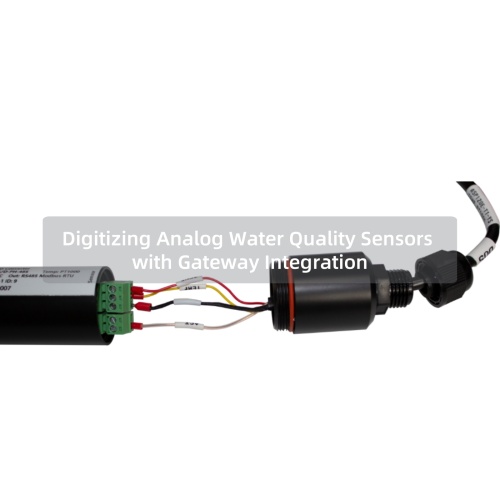
Digitizing Analog Water Quality Sensors with Gateway Integration
Overview In the modern era of smart water monitoring, digitizing traditional analog sensors has become essential for achieving real-time data acquisition and remote management. Analog water quality sensors such as pH sensors or ORP probes are widely used in various applications. However, without a digital interface, integrating them into IoT or PLC controller systems can be challenging. This is where gateway devices play a crucial role. Definition Analog water quality sensors output signals in...
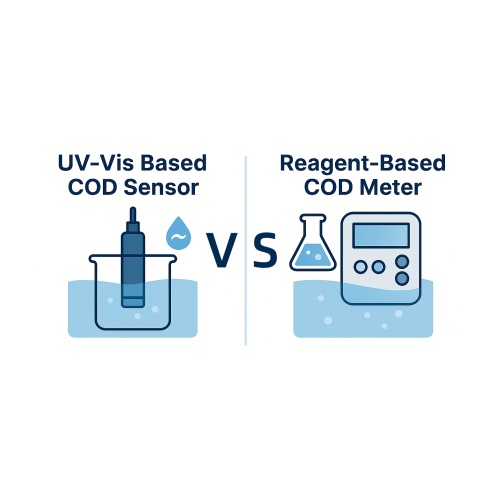
UV-Vis Based COD Sensors VS Reagent-Based COD Meters
Overview Chemical Oxygen Demand (COD) is a key indicator of water quality, representing the amount of oxygen required to oxidize organic matter in water. Accurate and real-time monitoring of COD is essential for wastewater treatment, environmental monitoring, and industrial process control. Two widely used technologies for COD measurement are UV-Vis based COD sensors and reagent-based COD meters. This article offers a comprehensive comparison of both methods, covering detection principles,...
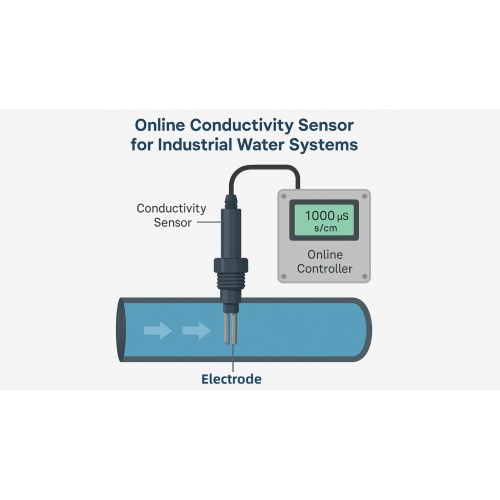
Online Conductivity Sensors for Industrial Water Systems
Overview Electrical conductivity (EC) is a vital parameter in industrial water treatment, indicating the concentration of dissolved ions. Online conductivity sensors offer a reliable, real-time method for monitoring water purity and optimizing system performance across diverse sectors such as power plants, chemical production, and food and beverage manufacturing. Definition An online conductivity sensor, also known as an online EC sensor, continuously measures the ability of water to conduct...
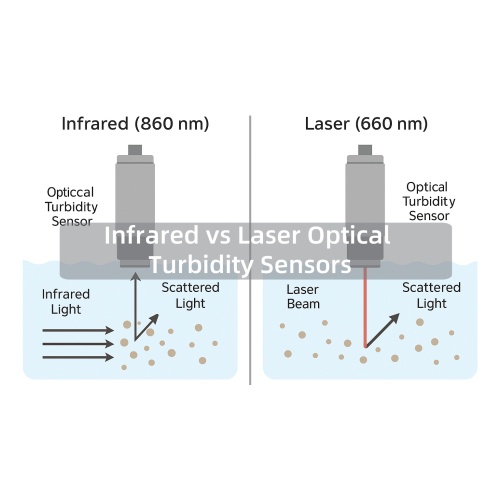
Infrared vs Laser Optical Turbidity Sensors: A Technical Comparison
Overview: Two Optical Approaches to Turbidity Measurement Optical Turbidity Sensors play a critical role in water quality monitoring by detecting the presence of suspended particles through light-based technologies. Two dominant optical principles are widely adopted: infrared light scattering at 860 nm and laser light scattering at 660 nm. Although both methods serve the same purpose—measuring turbidity—they differ in terms of detection sensitivity, application suitability, and overall system...
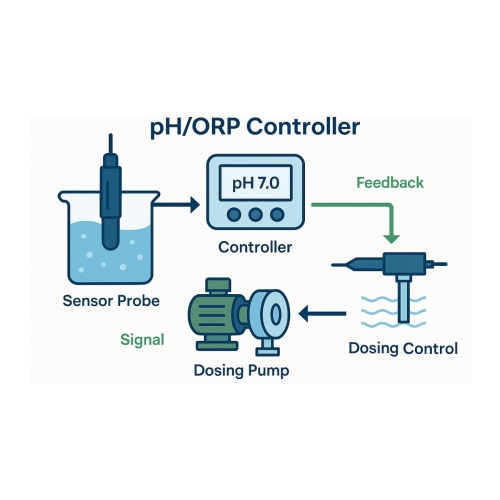
How a pH/ORP Controller Works: Principle and Application?
Introduction A pH/ORP controller is a critical device in water treatment systems, aquaculture, and industrial processes, designed to continuously monitor and maintain the pH or oxidation-reduction potential (ORP) of a solution within desired ranges. By automating the regulation of chemical dosing, it ensures process stability and water quality safety. ? Key Components Sensor Probe Installed in the solution, it measures pH or ORP values in real time and converts the data into electrical signals...
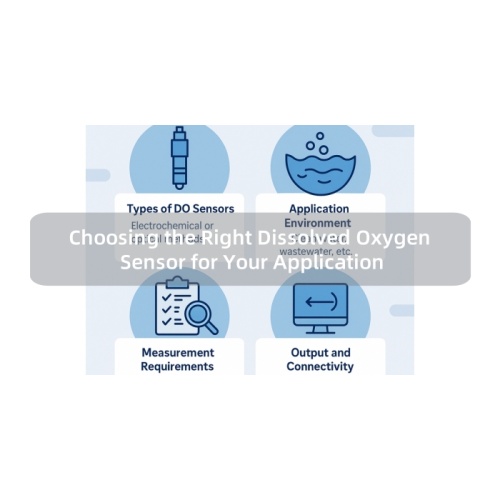
Choosing the Right Dissolved Oxygen Sensor for Your Application
Overview Selecting the right dissolved oxygen (DO) sensor is essential for ensuring accurate monitoring and efficient control of oxygen levels in various water-related applications. With numerous sensor types available, understanding your specific needs is critical to achieving reliable data and operational success.? ? Understanding Dissolved Oxygen Dissolved oxygen refers to the amount of free, non-compound oxygen present in water or other liquids. It is a key parameter in water quality...
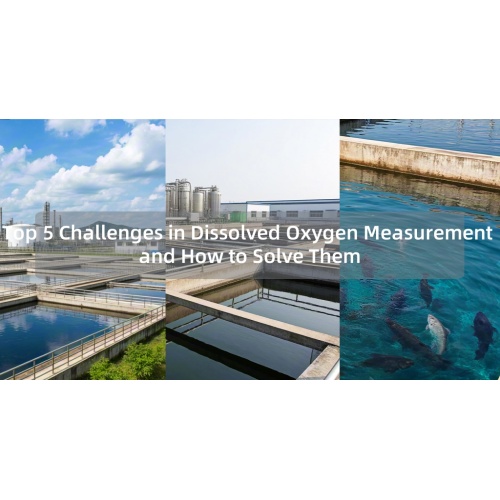
Top 5 Challenges in Dissolved Oxygen Measurement and How to Solve Them
Overview Dissolved oxygen (DO), as a core indicator of water self-purification capacity and biological activity, plays an irreplaceable role in sewage treatment, aquaculture and industrial water treatment. However, its measurement process is affected by environmental interference, technical limitations and operational complexity, resulting in challenges in the accuracy of measurement results. Combining industry practices and technological advances, this article analyzes the five core challenges...
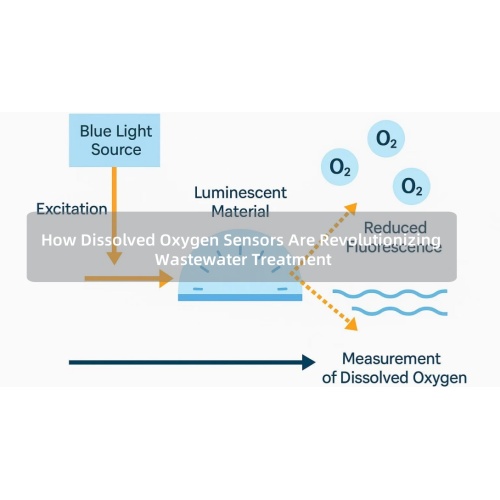
How Dissolved Oxygen Sensors Are Revolutionizing Wastewater Treatment
Overview Dissolved oxygen (DO) sensors have become critical components in the optimization of modern wastewater treatment systems. These sensors continuously monitor oxygen concentrations, helping treatment facilities maintain the right conditions for biological processing. With growing pressure to meet environmental regulations and reduce operating costs, advanced DO sensor technology—especially optical models—is reshaping how wastewater is treated. This article explores the pivotal role of DO...
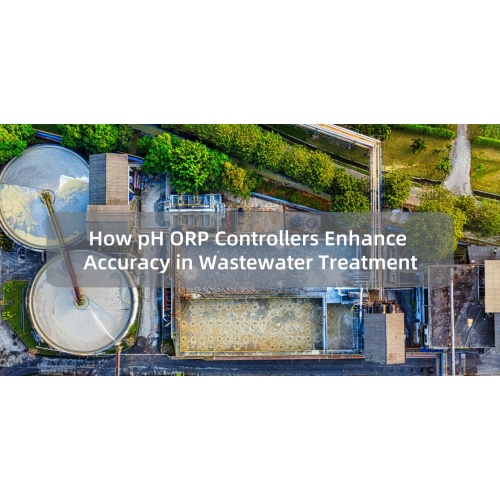
How pH ORP Controllers Enhance Accuracy in Wastewater Treatment
Overview In today’s increasingly regulated environmental landscape, wastewater treatment facilities must operate with precision and reliability. Key to achieving this is real-time monitoring and control of water quality parameters such as pH and ORP (Oxidation-Reduction Potential). A pH ORP Controller provides the intelligent automation necessary to ensure effective and consistent treatment performance.? ? The Importance of pH and ORP in Wastewater Treatment pH reflects the acidity or...
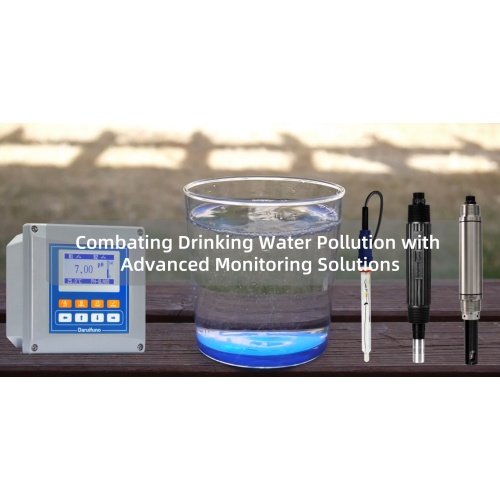
Combating Drinking Water Pollution with Advanced Monitoring Solutions
Overview As global drinking water sources face escalating pollution threats from industrial runoff, agricultural contaminants, and aging infrastructure, ensuring water safety has become a critical public health challenge. At DOSZ, we specialize in developing cutting-edge water quality analysis instruments that empower industries and municipalities to monitor, detect, and mitigate water pollution effectively. Our solutions—including Modbus-enabled pH sensors, multi-parameter water quality...
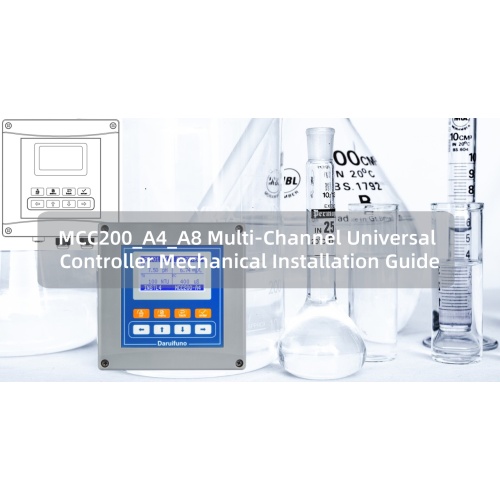
MCC200_A4_A8 Multi-Channel Universal Controller Mechanical Installation Guide
Overview Proper mechanical installation of the MCC200_A4_A8 Multi-Channel Universal Controller is crucial for ensuring stable operation and long-term reliability, especially when used for online control of critical water quality parameters such as pH and ORP. This guide provides detailed installation steps and considerations to help users successfully install the controller for effective water quality monitoring. 1. Pre-Installation Preparation Check the Equipment: Before installation,...
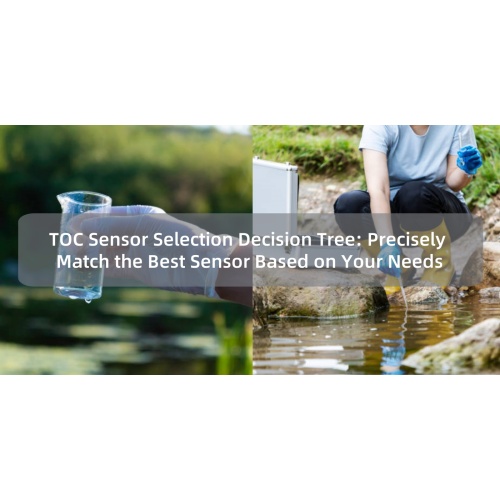
TOC Sensor Selection Decision Tree: Precisely Match the Best Sensor Based on Your Needs
Overview In various scenarios such as water quality monitoring, environmental detection, and industrial production, the content of Total Organic Carbon (TOC) is a key indicator for assessing water quality, pollutant emissions, and production process control. Selecting an appropriate TOC Sensor is crucial for obtaining accurate and reliable detection data. However, with a wide variety of TOC Sensors available on the market, each with different functions, how to precisely match the best sensor...
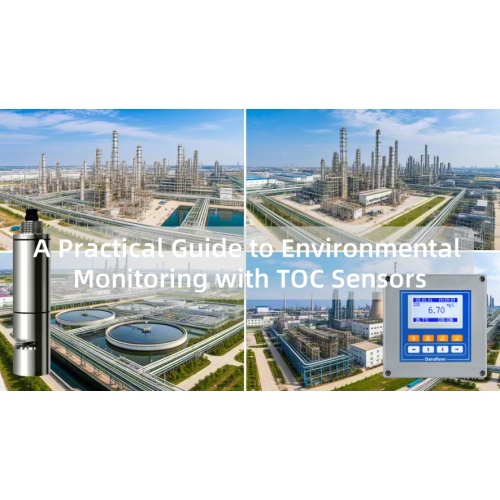
A Practical Guide to Environmental Monitoring with TOC Sensors
What Is a TOC Sensor? In environmental monitoring and wastewater treatment, Total Organic Carbon (TOC) is a critical parameter for assessing the level of organic pollution in water. A TOC sensor is a specialized device that measures the amount of organic carbon present in a water sample. These sensors are widely used in industries such as pharmaceuticals, chemicals, power plants, and municipal water treatment facilities, helping operators understand pollution levels, ensure compliance, and...
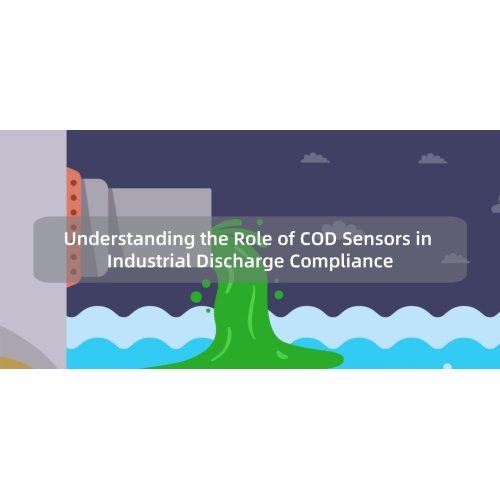
Understanding the Role of COD Sensors in Industrial Discharge Compliance
Overview As global environmental standards continue to tighten, industries across the world are under increasing pressure to monitor and control the quality of their wastewater discharge. Among various pollutants, Chemical Oxygen Demand (COD) is a critical parameter that directly reflects the concentration of organic contaminants in water. Failing to meet discharge limits can lead to severe consequences - from regulatory fines to plant shutdowns.? To stay compliant and avoid unnecessary risks,...
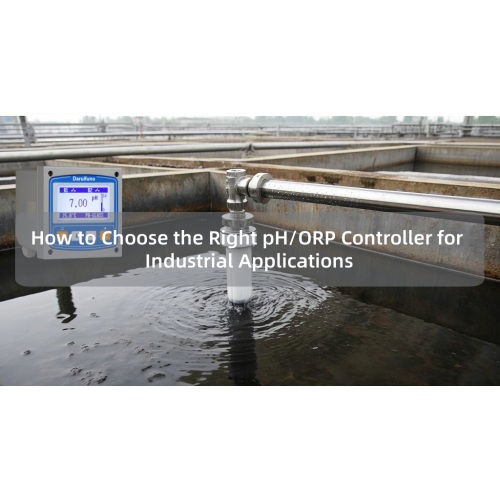
How to Choose the Right pH/ORP Controller for Industrial Applications
Overview In industrial process control and wastewater treatment, pH and ORP (Oxidation-Reduction Potential) measurements are critical parameters. Selecting the appropriate industrial pH controller or ORP controller is essential for ensuring process stability, product quality, and regulatory compliance. This guide will help you choose the most suitable pH/ORP control system for your industrial needs. ? 1. Understand Your Application Requirements First, identify your specific industrial...
About Us
Related Products List
Contact Us

Send Inquiry
Privacy statement: Your privacy is very important to Us. Our company promises not to disclose your personal information to any external company with out your explicit permission.
Fill in more information so that we can get in touch with you faster
Privacy statement: Your privacy is very important to Us. Our company promises not to disclose your personal information to any external company with out your explicit permission.