Ion Analyzer
Introduction
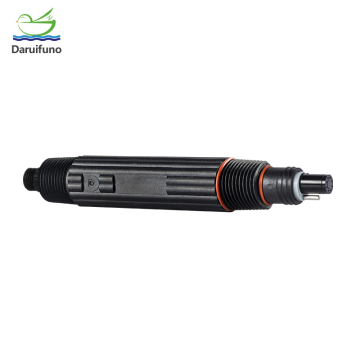
An Ion Sensor is a high-performance, highly sensitive device designed specifically to detect the concentration of specific ions in water. It works based on advanced electrochemical principles and can accurately measure a variety of parameters closely related to water quality, such as pH, dissolved oxygen, and conductivity. Changes in these parameters often reflect fluctuations in ion concentrations in water quality, so ion sensors play a vital role in water quality monitoring and analysis.
?
The working principle of an ion sensor usually involves an electrochemical process that reacts specifically with the ions being measured. When the sensor contacts a water sample, the sensitive element inside it reacts with specific ions in the water quality to produce an electrical signal proportional to the ion concentration. After this electrical signal is processed and converted by the sensor, it can be output in digital or analog form for real-time monitoring and analysis by users.
?
In practical applications, ion sensors have many advantages. First, they are highly sensitive and accurate, and can quickly respond to small changes in water quality, ensuring that users can understand the water quality status in a timely manner. Second, ion sensors have a wide range of applicability and can measure the concentration of multiple ions to meet different fields and different water quality monitoring needs. In addition, ion sensors are easy to operate and maintain, making it more convenient and efficient for users to use them.
?
Ion sensors are widely used in water quality monitoring and analysis. For example, in the field of environmental protection, ion sensors can be used to monitor the water quality of natural water bodies such as rivers, lakes, and reservoirs, helping users to promptly detect and deal with water pollution problems. In industrial production, ion sensors can be used to monitor water quality changes during wastewater treatment to ensure that wastewater meets relevant standards and requirements before discharge. In addition, ion sensors can also be used in agricultural irrigation, drinking water safety monitoring and other fields to provide users with reliable water quality data support.
?
In short, ion sensors are a very important water quality monitoring device, and their accuracy and sensitivity are of great significance for ensuring water quality safety and compliance. With the continuous advancement of technology and the continuous expansion of application areas, ion sensors will play an increasingly important role in water quality monitoring and analysis.
Chloride Ion Sensor
More+
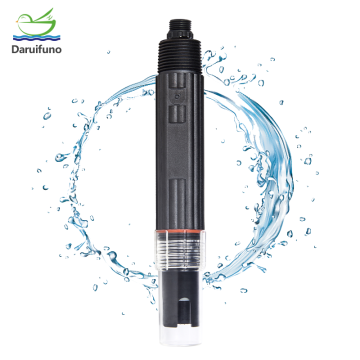
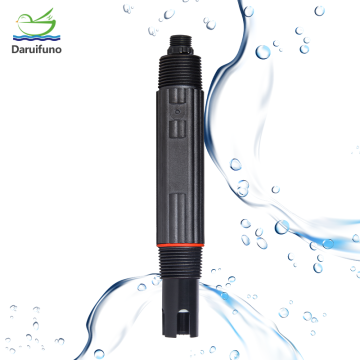

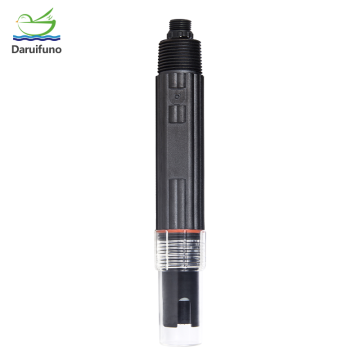
Fluoride Ion Sensor
More+
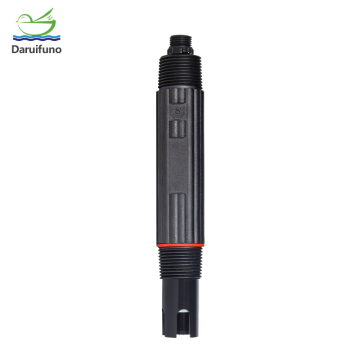
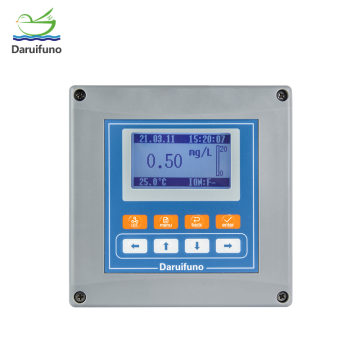
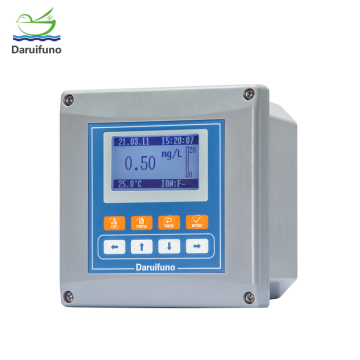
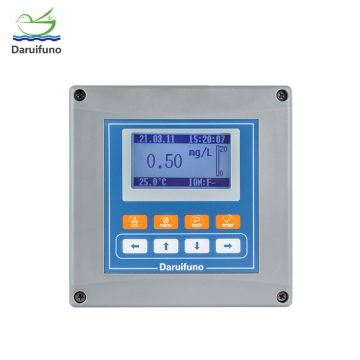
Universal Ion Controller
More+
GET IN TOUCH
If you have any questions our products or services,feel free to reach out to us.Provide unique experiences for everyone involved with a brand. we’ve got preferential price and best-quality products for you.
*
*
QUALIFICATIONS AND HONORS

CE CERTlFICATE

lSO9001 CERTIFlCATE
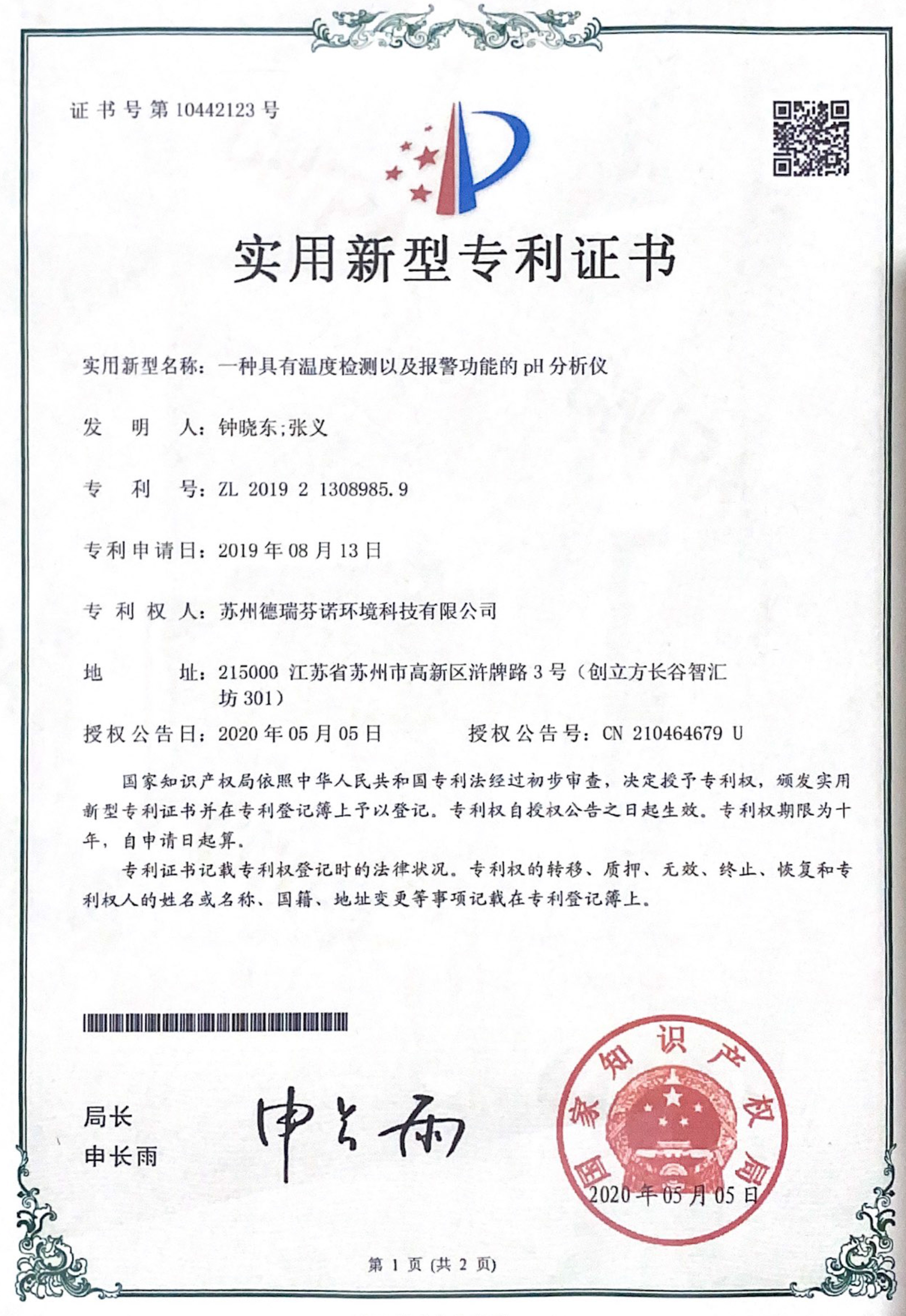
UTILITY MODEL PATENT CERTIFICATE

UTILITY MODL PATENT CERTIFICATE
Ieading Manufactuer & SuppIier of Innovative lnstruments & Equipment!
WE WILL CONTACT YOU