Overview
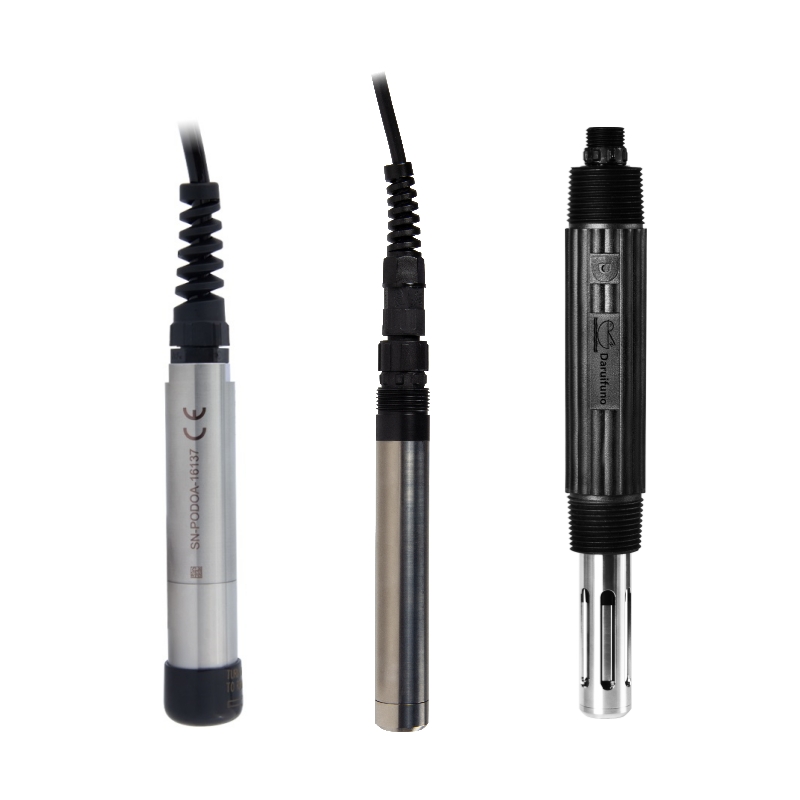
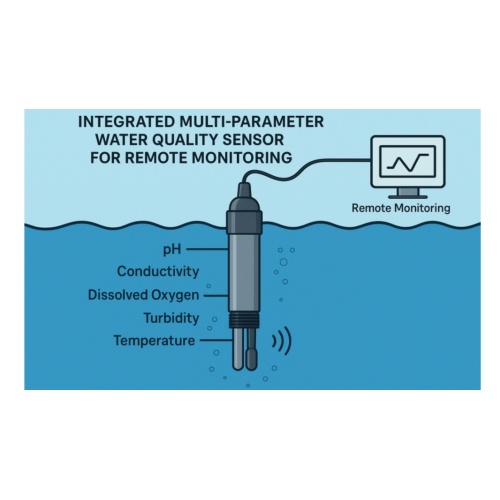
As a high-precision water quality monitoring device, the signal detection process of fluorescent Dissolved Oxygen Sensor involves knowledge and technology in multiple fields such as optics, electronics and signal processing. This article will introduce the signal detection process of fluorescent dissolved oxygen sensor in detail, including the generation and irradiation of excitation light, the generation and emission of fluorescence, the detection and signal conversion of fluorescence, the measurement of reference light, signal processing and concentration calculation, and temperature compensation and calibration. ?
Generation and irradiation of excitation light
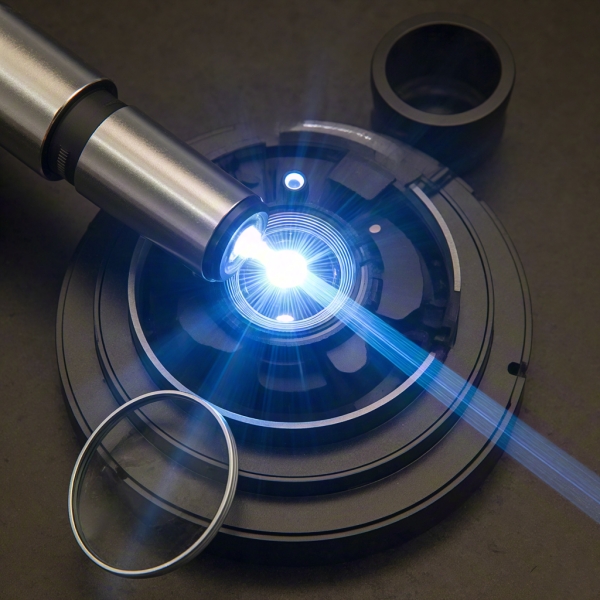
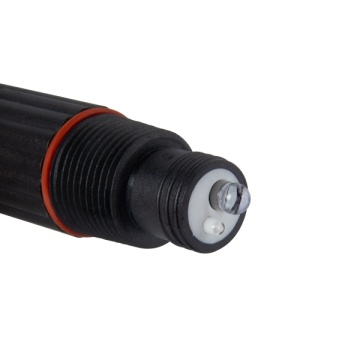
Fluorescent dissolved oxygen sensors usually use LED or laser as light sources, which can emit stable and controllable blue light. The wavelength of blue light is carefully selected to ensure that it can effectively excite fluorescent substances to emit fluorescence. The sensor probe is designed with a precise optical system, including lenses, reflectors and other components, which are used to focus the excitation light and evenly irradiate the fluorescent substance coated on the probe surface. This process is the basis of fluorescent dissolved oxygen detection and ensures the effective interaction between the excitation light and the fluorescent substance.
?
Generation and emission of fluorescence
When the fluorescent substance is irradiated by the excitation light, its molecules absorb the light energy and transition to a high energy level state. This process is called excitation of fluorescent substances. Subsequently, fluorescent molecules in a high energy state will release the light energy absorbed before and emit fluorescence of a specific wavelength in the process of returning to the ground state. For fluorescent dissolved oxygen sensors, this fluorescence is usually red light. Fluorescence lifetime, that is, the time required for the fluorescent substance to return from the excited state to the ground state and emit fluorescence, is also an important parameter in fluorescent dissolved oxygen detection.
Fluorescence detection and signal conversion
In order to capture and convert fluorescent signals, photosensitive elements such as photodiodes or photosensors are installed inside the sensor probe. These photosensitive elements can sensitively receive fluorescent signals and convert them into electrical signals proportional to the fluorescence intensity for transmission and processing. At the same time, the sensor also detects the duration of the fluorescent signal (i.e., fluorescence lifetime) and converts it into corresponding electrical signals. These electrical signals are transmitted to the microprocessor or signal processing unit through the circuit inside the sensor for further processing.
?
Measurement of reference light
In order to improve the accuracy and stability of the measurement, some fluorescent dissolved oxygen sensors are also equipped with a reference light system. The reference light system works synchronously with the excitation light system, but the wavelength of light emitted is different (such as red light). By measuring the phase difference or intensity ratio between the excitation light and the reference light, the sensor can correct and compensate for the influence of light source fluctuation, optical path change and other factors on the detection of fluorescence signals. This method effectively improves the accuracy and stability of the measurement.
?
Signal processing and concentration calculation
In the microprocessor or signal processing unit, the detected fluorescence signal and reference light signal (if equipped) are first preprocessed, including filtering, amplification, digitization and other operations. Then, the preprocessed signal is sent to a specific algorithm for calculation. These algorithms are based on the principle of fluorescence quenching effect and experimental data, and can convert the change of fluorescence signal into the change of dissolved oxygen concentration. By comparing the internal calibration value, the sensor can accurately calculate the dissolved oxygen concentration of the current water body.
?
Temperature compensation and calibration
Since the fluorescence lifetime and intensity of fluorescent substances are affected by temperature, fluorescent dissolved oxygen sensors usually have built-in temperature transmitters and automatic temperature compensation functions. By measuring the water temperature in real time and performing temperature compensation on the fluorescence signal, the measurement error caused by temperature changes can be effectively reduced. In addition, in order to ensure the accuracy of the measurement, the fluorescent dissolved oxygen sensor needs to be calibrated regularly before and during use. The calibration process involves placing the sensor in a standard solution of known dissolved oxygen concentration and adjusting the internal parameters to match the standard value.
?
In summary
The signal detection process of the fluorescent dissolved oxygen sensor is a complex and precise process. By precisely controlling the generation and irradiation of excitation light, detecting the generation and emission of fluorescence, measuring reference light, performing signal processing and concentration calculation, and realizing temperature compensation and calibration, the fluorescent dissolved oxygen sensor can monitor the dissolved oxygen concentration in the water body in real time and accurately. This technology provides strong support for water quality monitoring and management, and is of great significance for protecting water resources and maintaining the ecological environment.