 Suzhou Delfino Environmental Technology Co., Ltd.
Select Language
English
Suzhou Delfino Environmental Technology Co., Ltd.
Select Language
English
Send Inquiry
Video
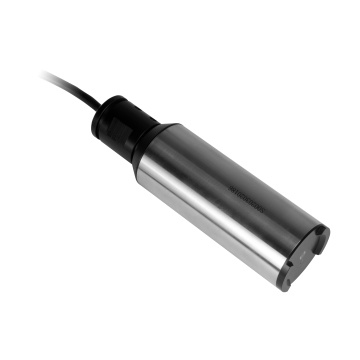

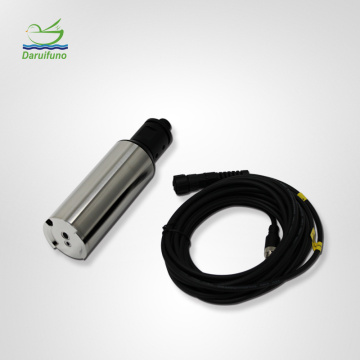

In today's industrial and environmental contexts, maintaining water quality is critical. Water turbidity sensors and water turbidity probes are at the forefront of this effort, providing precise, real-time monitoring of suspended particles in liquids. Working Principle of Turbidity Sensors Turbidity sensors utilize optical scattering to measure the concentration of suspended particles. By emitting light into the water and measuring the intensity of scattered light, they can accurately determine...
In the field of water quality monitoring and analysis, Daruifuno's water quality instrument development team has stringent requirements on the performance of sensors, especially for waterproof sensors, pressure-resistant sensors, and air-tightness. We adhere to the concept of practice to gain true knowledge and continue to explore and optimize. To achieve this goal, we use innovative pipeline installation methods to cleverly integrate various types of sensors and probes (including but not...
Overview Water quality is a critical factor in environmental protection, industrial processes, and public health. Effective monitoring and control help maintain safe drinking water, optimize industrial processes, and ensure environmental compliance. Modern water quality sensors, such as pH sensors, ORP sensors, conductivity sensors, and dissolved oxygen sensors, provide real-time data for accurate water management. 1. Importance of Water Quality Monitoring Water contamination can have serious...
Overview Discover the importance of dissolved oxygen in water, its impact on aquatic ecosystems, factors affecting levels, and methods for accurate monitoring. DO & Dissolved Oxygen ? ? What is Dissolved Oxygen and Why is it Important? Dissolved oxygen (DO) is essential for aquatic life, affecting water quality and ecological balance. It refers to free oxygen present in water, distinct from the oxygen bonded in H?O molecules. Most aquatic organisms, including fish and beneficial bacteria,...