Conductivity, a measure of a material's ability to conduct electric current, is a critical property in numerous industries. From water treatment to chemical production and food processing, conductivity plays a vital role in ensuring the quality, consistency, and safety of various processes and products.
?
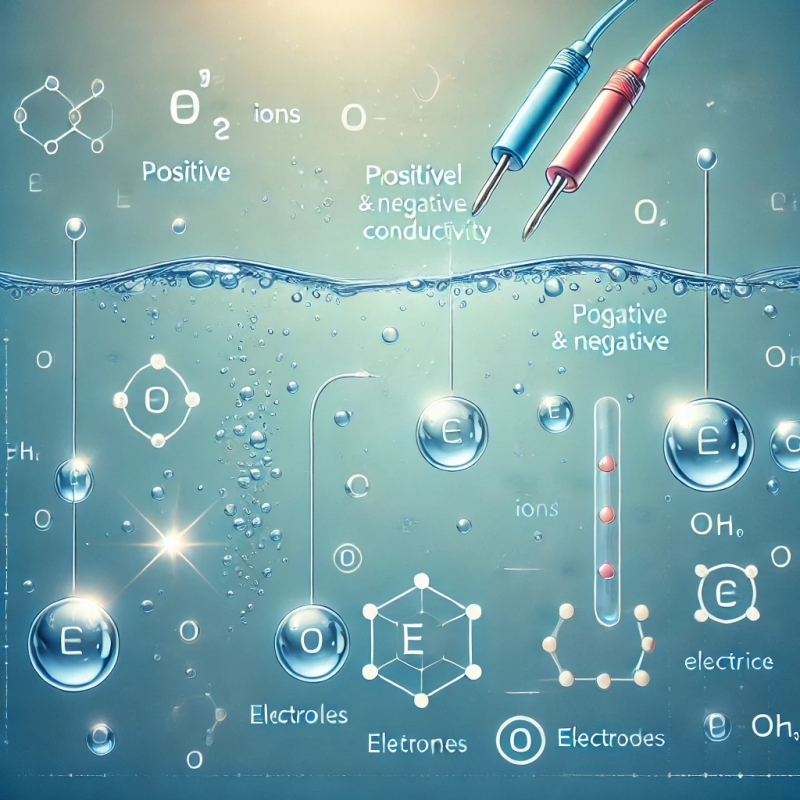
How Conductivity Works
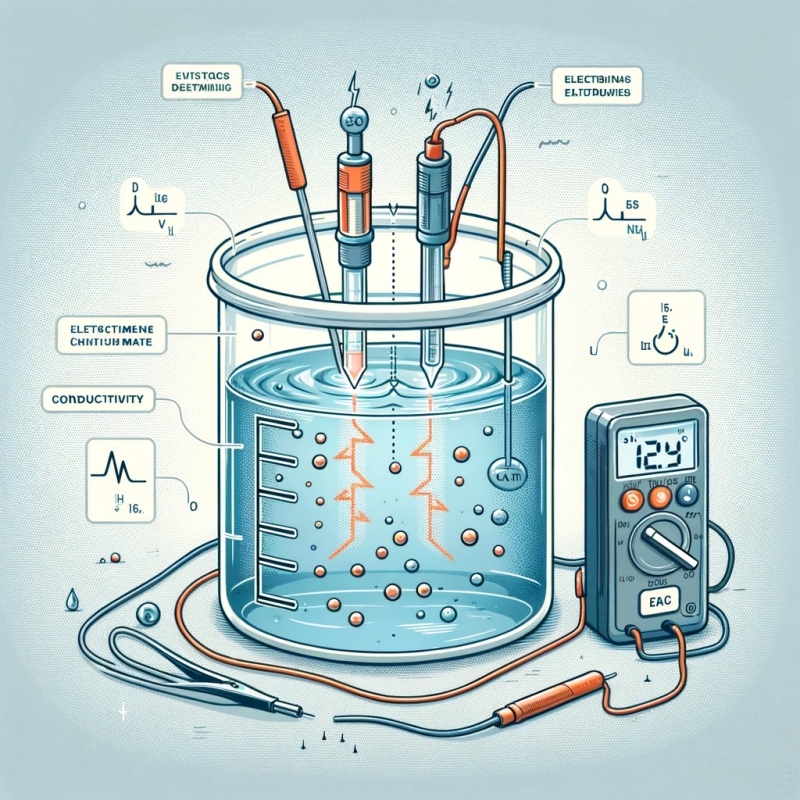
The conductivity of a material is determined by the concentration and mobility of ions within it. In pure water, for example, the conductivity is low because there are few ions present. However, when salt or other soluble compounds are added to water, the ions increase in concentration, leading to higher conductivity. This principle is applied in various industrial processes to monitor and control the composition and quality of solutions.
?
?
Applications of Conductivity
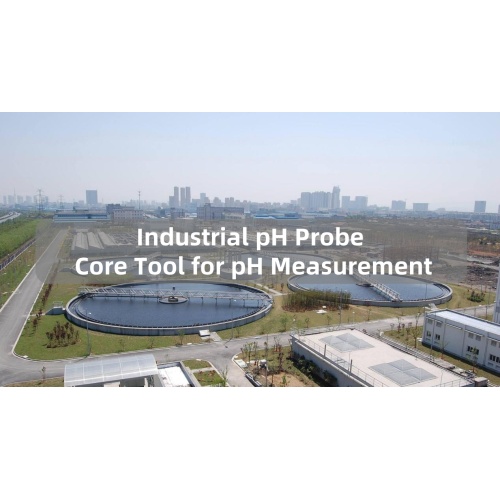
- Water Treatment: Conductivity is a key indicator of dissolved solids in water, which can affect its quality and suitability for various uses. By measuring conductivity, water treatment plants can detect the presence of contaminants and adjust treatment processes to ensure that the water meets regulatory standards and customer requirements.
- Chemical Manufacturing: In the chemical industry, conductivity is used to control reaction consistency and quality. By monitoring conductivity, manufacturers can ensure that reactions proceed as expected and that products meet specifications. Conductivity measurements also help to identify potential problems, such as contamination or equipment failures, allowing for prompt corrective action.
- Food Industry: Conductivity is used in the food industry to monitor the concentration of salt or other dissolved substances during production. This is particularly important in the manufacture of processed foods, where precise control over ingredient concentrations is critical to maintaining product quality and consistency.
?
Why Use Conductivity Controllers?
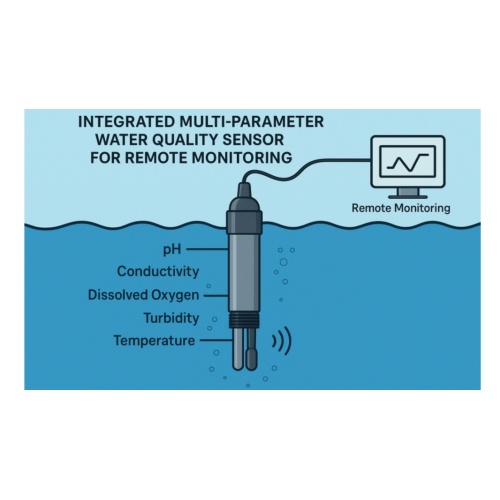
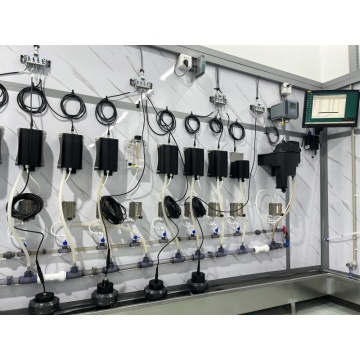
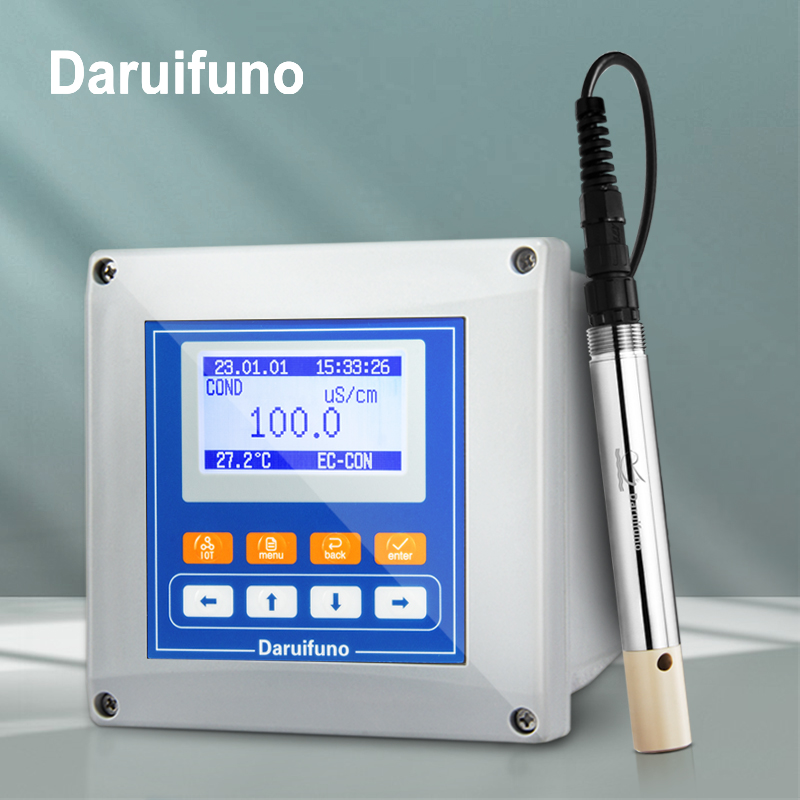
Conductivity controllers are essential tools for monitoring and regulating conductivity in real time. These devices provide accurate and reliable measurements, enabling industrial processes to be precisely controlled and optimized. Conductivity controllers offer several advantages:
- Precision and Consistency: Conductivity controllers ensure that processes are consistent and produce predictable results. This is particularly important in applications where tight control over process parameters is critical, such as in the manufacture of pharmaceuticals or electronics.
- Real-Time Monitoring: Conductivity controllers provide continuous measurements, allowing for real-time monitoring of process conditions. This enables operators to quickly identify and address any deviations from expected performance, minimizing downtime and ensuring product quality.
- Improved Efficiency: By precisely controlling process conditions, conductivity controllers can help reduce waste and improve efficiency. This can lead to significant cost savings and environmental benefits, as less raw material is wasted and fewer resources are consumed.
- Enhanced Quality Standards: Conductivity controllers help to maintain high quality standards across various industries. By ensuring that processes are consistently performed within specified parameters, these devices contribute to the production of safe, reliable, and high-quality products.
Conclusion
In summary,?conductivity?is a crucial property that plays a vital role in numerous industries. Conductivity controllers are essential tools for monitoring?and regulating conductivity in real time, ensuring precision and consistency in industrial processes. By investing in conductivity controllers, businesses can improve process accuracy, reduce waste, and enhance quality standards, ultimately leading to improved product quality, increased efficiency, and greater customer satisfaction.