
 Contact Now

Send Message
Privacy statement: Your privacy is very important to Us. Our company promises not to disclose your personal information to any external company with out your explicit permission.
 Suzhou Delfino Environmental Technology Co., Ltd.
Select Language
English



| Measuring range | |
| option | |
| Contact Now |


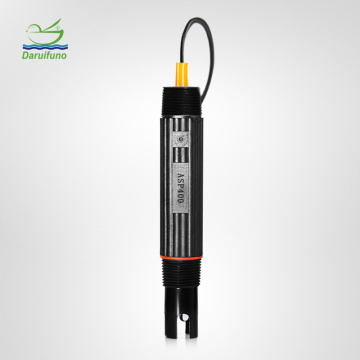
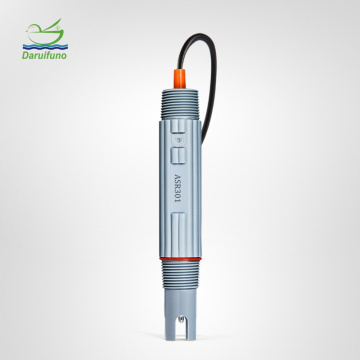
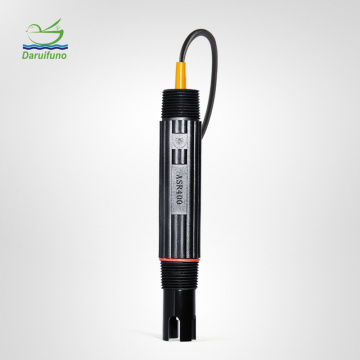
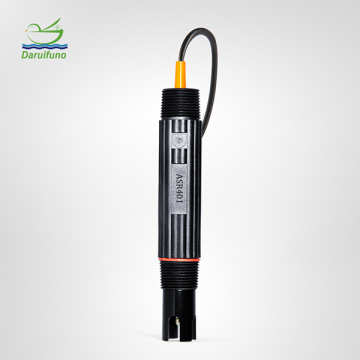
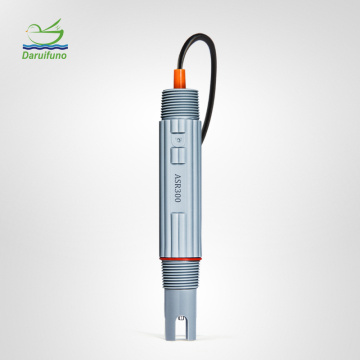
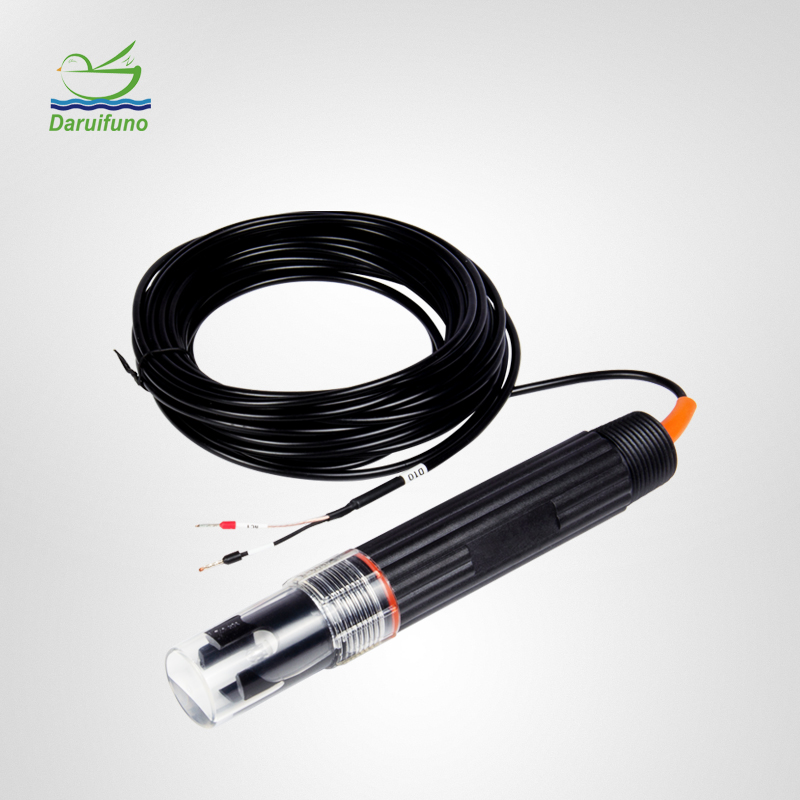
The ORP Sensor, also called an oxidation-reduction potential sensor, is widely used in industry and laboratories to monitor the ORP value in water. ORP sensors are divided into two application types: laboratory and online. The ASR series ORP sensors developed and produced by Daruifuno are for online applications. They have long service life and large sensor capacity. They can be used for continuous online monitoring of drinking water, surface water, sewage, and industrial process water. monitor. The ORP value is a comprehensive indicator of environmental conditions and has been used for a long time. It represents the relative degree of oxidation or reduction of the medium. The difference between the redox potential of the indicator electrode and the redox potential of the comparison electrode in the liquid can determine the overall system. The redox state gives a comprehensive indicator, and the unit of ORP is mV. A high measured value of the ORP electrode indicates that the concentration of organic pollutants in the sewage and wastewater is low, the concentration of dissolved oxygen or oxidizing substances is high, and the oxidation environment is dominant; if the measured value of the ORP electrode is low, it indicates that the concentration of reducing substances or organic matter in the sewage and wastewater treatment system is The pollutant content is high, the dissolved oxygen concentration is low, and the reducing environment is dominant. Traditional ORP measurement methods have shortcomings such as inaccurate control conditions, waste of chemicals, and unfriendly to the environment. Nowadays, the online ORP sensor and ORP transmitter are used to accurately control the redox water treatment technology and improve the treatment effect.
Features:
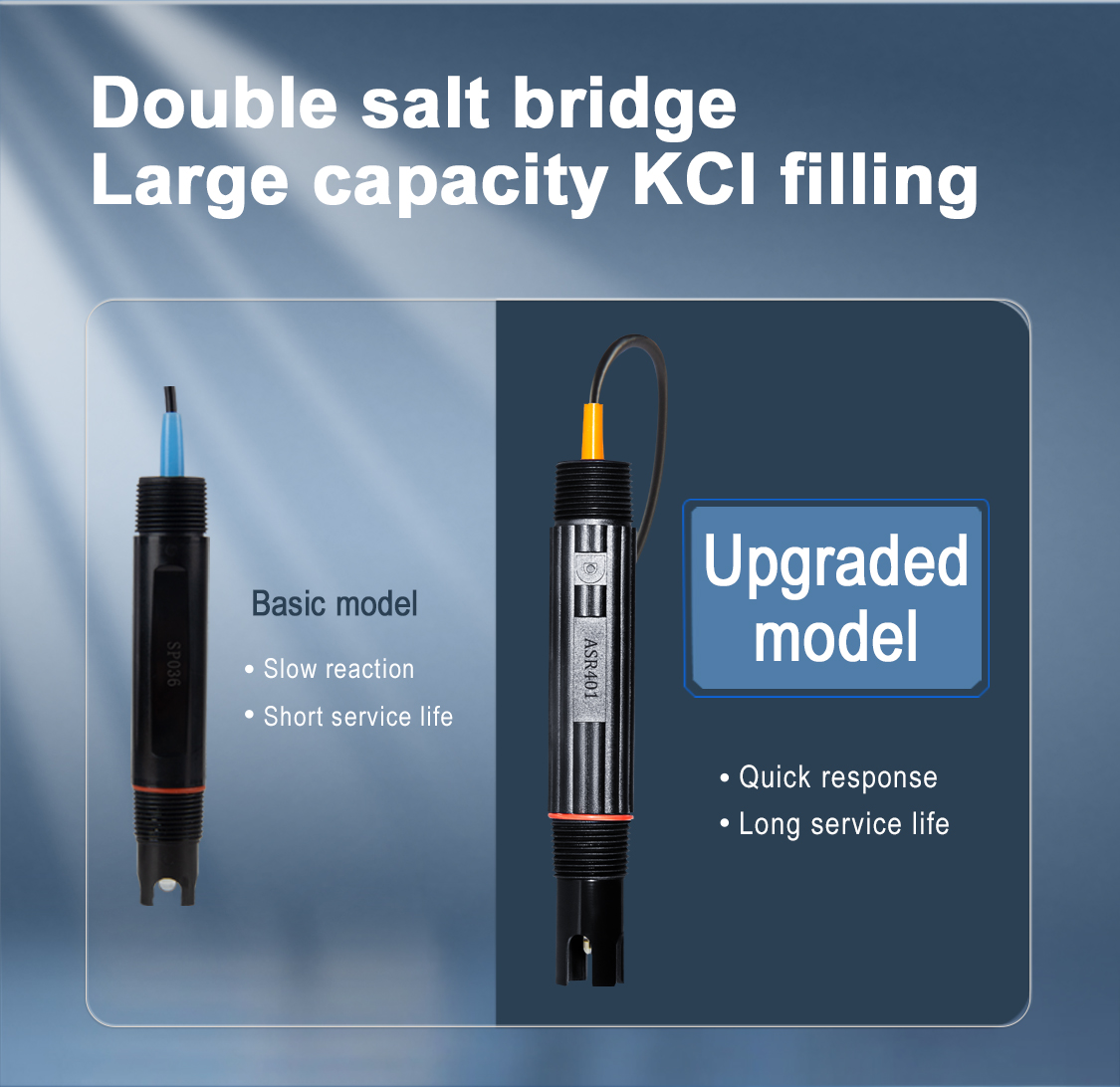
Composite ORP electrode, packaged in PPS shell, with solid structure
The ORP sensor is made of ring-shaped platinum and has a wide measurement range, -2000~2000mV
Double salt bridge design, reference electrode is Ag/AgCl, filled with large-capacity KCl gel
Working pressure 0~6bar, working temperature 0~100℃
Specification:
| Product Name | ORP Probe |
| Measuring Range | -2000mV~+2000mV |
| Working Pressure | 0~6Bar |
| Operating Temperature | 0~100℃ |
| Material | PPS+PTFE+platinum ring? platinum sheet |
| Zero(E0) ORP | ±20mV |
| slope(SLOP)% | >95% |
| flow rate | 0.5m/s≥flow rate≥0.001m/s |
| Reference System | Ag/AgCl, double salt bridge, KCL crystal |
| Dimensions | Diameter 35mm/Total length 200 mm |
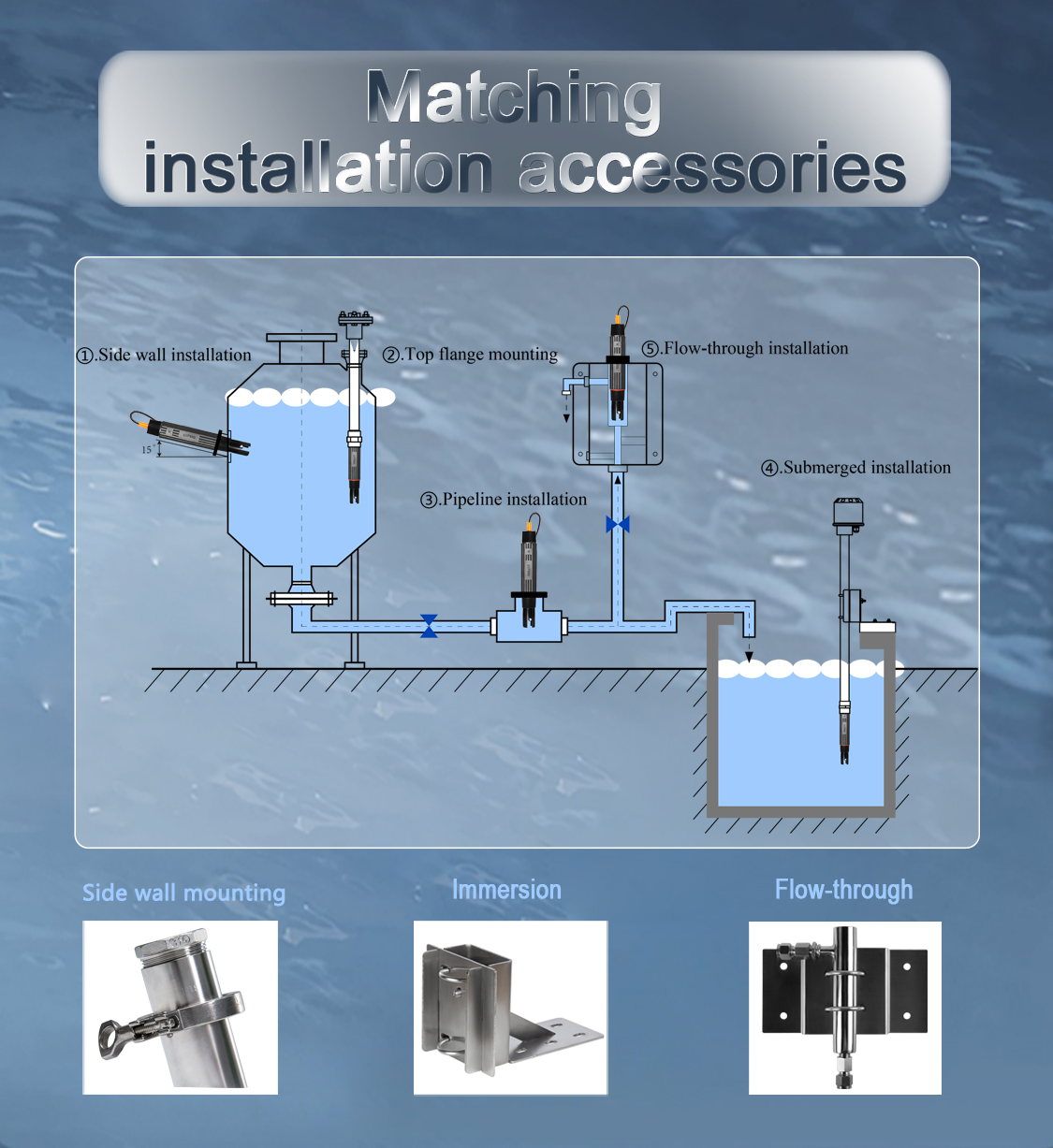
| Installation Dimensions | A British 1 NPT of the head and the tail for each install thread |
| Signal Lead | default 5 meters, Support orders within 60 meters |
Application of ORP sensor monitoring in wastewater treatment
Earlier, redox potential was mainly used in the treatment of industrial wastewater, especially the wastewater produced in some metal finishing processes. Later, it was gradually widely used in municipal sewage treatment plants. There are a variety of variable valence ions and dissolved oxygen in the sewage system, that is, multiple redox couples. By combining ORP electrodes with ORP online monitoring instruments, the oxidation-reduction potential in sewage can be detected in a very short time, without the need for sampling and measurement in the laboratory. This can greatly shorten the laboratory process and improve work efficiency. The most important redox reactions in the sewage treatment system include the biological degradation of organic pollutants containing carbon, nitrogen, and phosphorus, the hydrolysis and acidification of organic matter, nitrification and denitrification reactions, biological anaerobic phosphorus release, and aerobic phosphorus uptake. wait.
Delfino company focuses on the R&D and production of water quality analysis instruments. Our measurement parameters include pH, ORP, conductivity, TDS, salinity, dissolved oxygen, COD, ammonia nitrogen, turbidity, chlorophyll, blue-green algae, residual chlorine, and chlorine dioxide. wait. In addition to ORP sensors, our main products include pH ORP analyzer, conductivity analyzer, turbidity analyzer, COD analyzer, dissolved oxygen analyzer, ammonium analyzer, chlorine analyzer, etc.
At each stage of sewage treatment, the redox potential required by microorganisms is different. Generally, aerobic microorganisms can grow above 100mV, and the optimum is 300~400mV. Facultative anaerobic microorganisms perform aerobic respiration when above 100mV; when below 100mV, they perform aerobic respiration. Anaerobic respiration; obligate anaerobic bacteria require -200~-250mV, among which obligate anaerobic methanogens require -300~-400mV, and the optimum is -330mV. The normal redox environment in the aerobic activated sludge system is between 200 and 600mV. The ORP sensor can be used to monitor the redox potential between -2000~2000mV.
As a control strategy in aerobic biological treatment, anoxic biological treatment and anaerobic biological treatment, by monitoring and managing the ORP of sewage, managers can artificially control the occurrence of biological reactions. By changing the environmental conditions of process operation, such as: increasing the aeration volume to increase the dissolved oxygen concentration, adding oxidizing substances and other measures to increase the redox potential; reducing the aeration volume to reduce the dissolved oxygen concentration, adding carbon sources and reducing substances to reduce the redox potential to promote or prevent the reaction. If you are interested in ORP monitoring of wastewater, please contact us.
About Us
Related Products List
Contact Us

Send Inquiry


Privacy statement: Your privacy is very important to Us. Our company promises not to disclose your personal information to any external company with out your explicit permission.
Fill in more information so that we can get in touch with you faster
Privacy statement: Your privacy is very important to Us. Our company promises not to disclose your personal information to any external company with out your explicit permission.