 Suzhou Delfino Environmental Technology Co., Ltd.
Select Language
English
Suzhou Delfino Environmental Technology Co., Ltd.
Select Language
English
Send Inquiry
Video
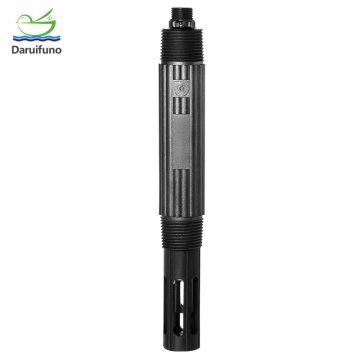

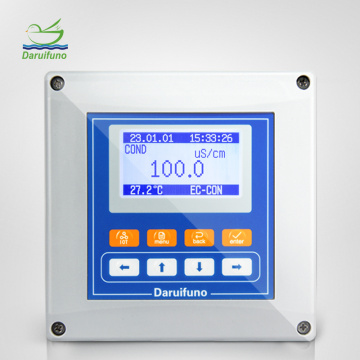

Requirements for Turbidity Measurement Equipment Turbidity measurement places certain demands on equipment, focusing on performance, accuracy, stability, ease of operation, and other aspects. Below is a detailed explanation of the requirements for turbidity measurement equipment. Performance Requirements Measurement Range: Turbidity measurement equipment should have a wide measurement range to accommodate the measurement needs of different turbidity water bodies. The common measurement range is...
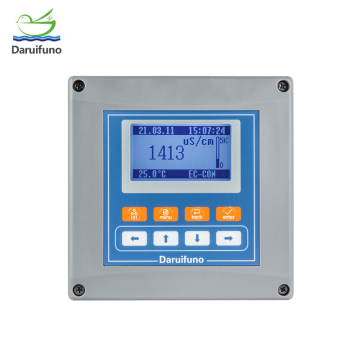
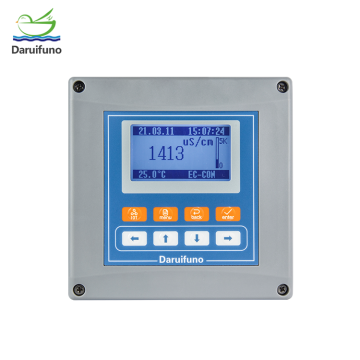
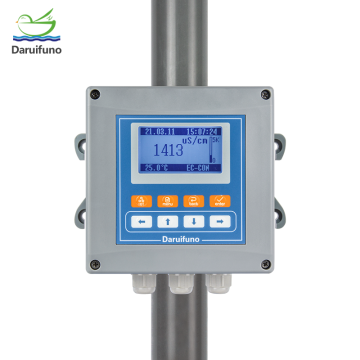
The MCC200 multi-parameter controller, meticulously developed by Daruifuno, is a high-performance online control device designed specifically for water quality parameter monitoring. This multi-channel digital universal controller has emerged as a leader in the field of water quality monitoring, thanks to its exceptional performance and broad applicability. Equipment Introduction The MCC200 multi-parameter controller supports the simultaneous connection of 4 or 8 digital sensors (this...
Introduction Conductivity, a measure of a material's ability to conduct electric current, is a critical property in numerous industries. From water treatment to chemical production and food processing, conductivity plays a vital role in ensuring the quality, consistency, and safety of various processes and products. How Conductivity Works The conductivity of a material is determined by the concentration and mobility of ions within it. In pure water, for example, the conductivity is low because...
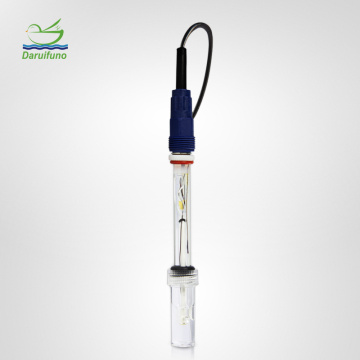
In water quality monitoring and ecological protection, pH and ORP are critical parameters that provide insights into the chemical state of water bodies. This guide explains their differences, applications, and how to choose the right measurement for your needs. 1. Introduction ??2. pH Measurement ??3. ORP Measurement ??4. Comparison of pH and ORP ??5. Choosing the Right Measurement ? 6. Conclusion 1. Introduction pH and ORP (Oxidation-Reduction Potential) are fundamental parameters in water...