 Suzhou Delfino Environmental Technology Co., Ltd.
Select Language
English
Suzhou Delfino Environmental Technology Co., Ltd.
Select Language
English
Send Inquiry
Video
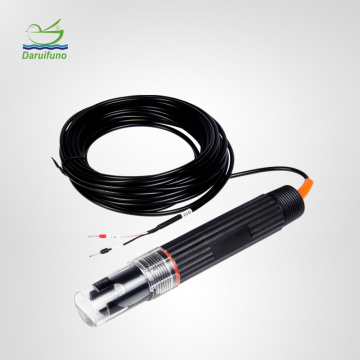

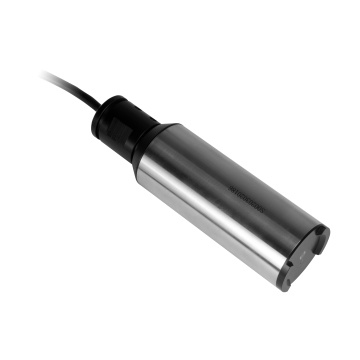

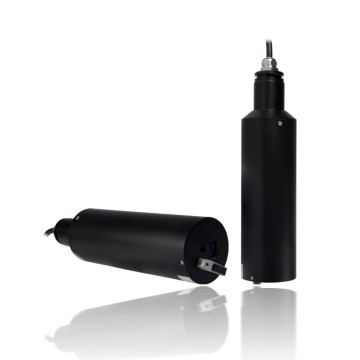
In today's industrial and environmental contexts, maintaining water quality is critical. Water turbidity sensors and water turbidity probes are at the forefront of this effort, providing precise, real-time monitoring of suspended particles in liquids. Working Principle of Turbidity Sensors Turbidity sensors utilize optical scattering to measure the concentration of suspended particles. By emitting light into the water and measuring the intensity of scattered light, they can accurately determine...
In water quality monitoring and ecological protection, pH and ORP are critical parameters that provide insights into the chemical state of water bodies. This guide explains their differences, applications, and how to choose the right measurement for your needs. 1. Introduction ??2. pH Measurement ??3. ORP Measurement ??4. Comparison of pH and ORP ??5. Choosing the Right Measurement ? 6. Conclusion 1. Introduction pH and ORP (Oxidation-Reduction Potential) are fundamental parameters in water...
Overview Optical dissolved oxygen sensors do not require electrode liquid and do not consume oxygen. They have the characteristics of plug-and-play and are increasingly favored by various industries.So in which applications do you need a dissolved oxygen sensor? The following Drifino company will introduce to you the application of dissolved oxygen sensors. 1. Aquaculture:Aquaculture has freshwater (currently factory farming) and offshore mariculture methods. Dissolved oxygen in aquaculture is...