




Description
With the rapid development of industry, the amount and type of wastewater are increasing, and the pollution of water bodies is becoming increasingly serious, threatening human safety and health. In order to establish a good ecological environment, the treatment of industrial wastewater is crucial. Monitoring is one of the key links in controlling and treating environmental pollution. Key parameters such as pH value, conductivity, COD, BOD, and dissolved oxygen in wastewater are essential to measure.
In some countries, industrial wastewater treatment must strictly comply with regulations. Improper or insufficient treatment can result in shutdowns of entire treatment plants until deficiencies are corrected. Conductivity, as an important water quality parameter, can reflect the conductivity of water and serve as an early indicator of changes in water quality. In industrial wastewater, the conductivity value can be unstable, so measuring conductivity is critical to preventing issues in water quality.
?
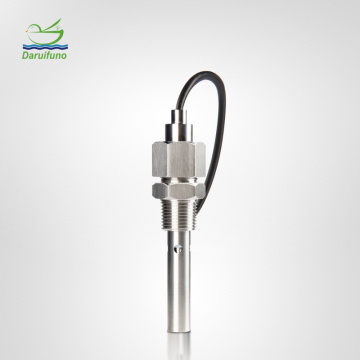
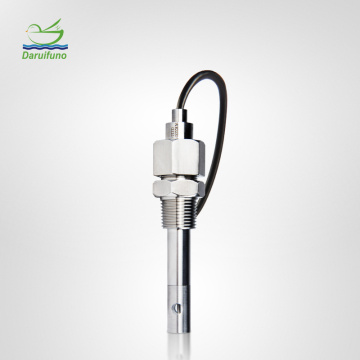
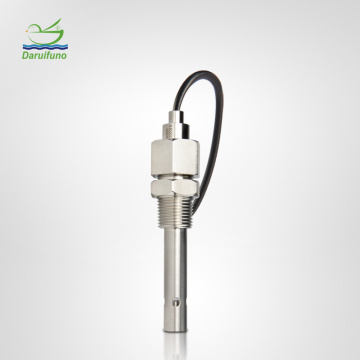
Working Principle of the ASCK Conductivity Sensor
The conductivity of water is measured by the current generated through the exchange of electrons between ionized particles in the water and external electrodes. After determining the electrode density, distance, and material, a small current is passed through the water sample. The voltage between the two electrodes is measured, and the conductivity is calculated using Ohm's law.
Features of the ASCK Conductivity Sensor
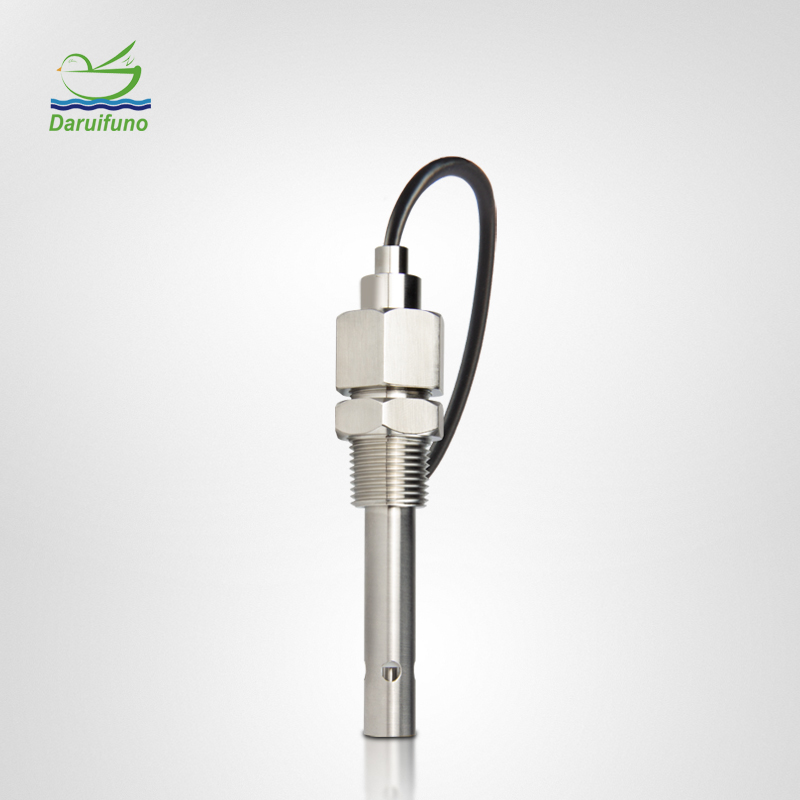
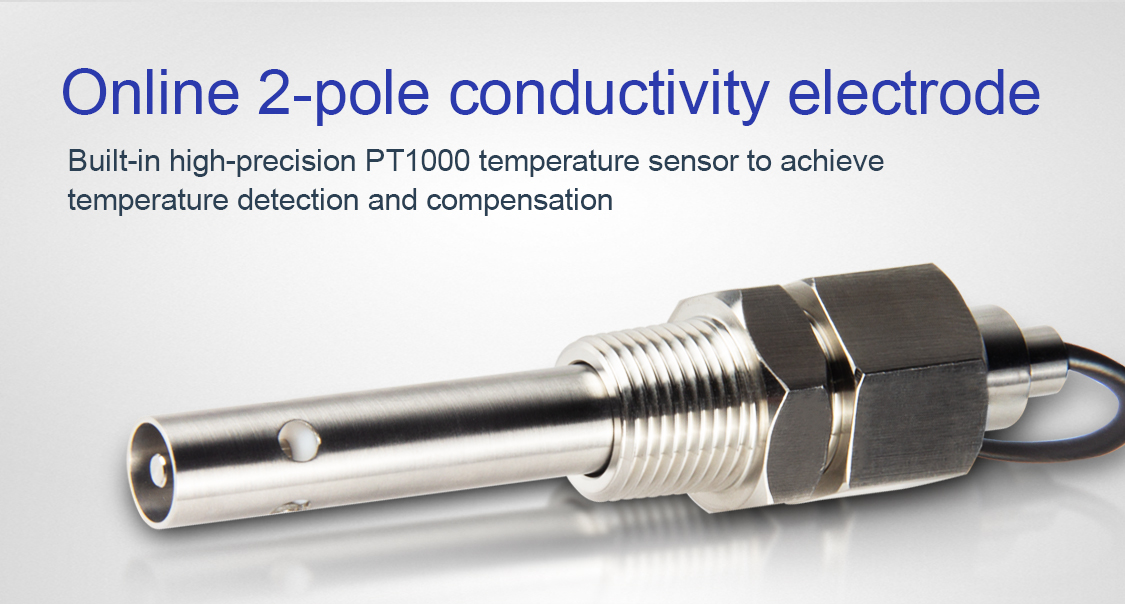
- Uses the two-electrode principle for stable and accurate measurements
- Measurement range of 0–2000 ?S/cm
- Adjustable K constant for versatile applications
- Built-in PT1000 temperature sensor for temperature compensation
- High-quality cable (default length 10 meters, customizable)
- Threaded 1/2-inch NPT tail for easy installation
Product Specifications
| Product Name | Conductivity Sensor |
| Product Model | ASCK-0.1 |
| Signal Type | Analog |
| Principle | 2-electrode |
| K Constant | 0.1 |
| Measuring Range | 0.5–2000 ?S/cm |
| Temperature Compensation | PT1000 |
| Working Pressure | 0–5 Bar |
| Operating Temperature | 0–100°C |
| Shaft Material | 316L Stainless Steel |
| Installation Method | 1/2" NPT |
| Cable | Default 10 meters (customizable) |
Why Conductivity Monitoring is Crucial for Industrial Wastewater
Industrial wastewater contains various pollutants, including by-products, chemicals, and other waste substances that are carried away with water during production. The conductivity level in wastewater typically reflects the concentration of inorganic ions and dissolved substances. A sharp increase in conductivity can indicate an abnormal discharge of industrial wastewater.
Improperly treated wastewater can have long-lasting effects on natural water bodies. Even if pollutant discharge is stopped, it may take years for the environment to recover. Therefore, strict monitoring of conductivity is essential for preventing pollution and ensuring compliance with environmental regulations.
?
About Delfino
Delfino Company specializes in the R&D and manufacturing of water quality analysis instruments. Our products include pH, ORP, conductivity, TDS, salinity, dissolved oxygen, COD, ammonia nitrogen, turbidity, chlorophyll, blue-green algae, residual chlorine, and chlorine dioxide analyzers. We also offer a variety of water quality monitoring solutions for industrial wastewater treatment. Contact us to learn more.
 Contact Now