Overview
Dissolved oxygen (DO) sensors have become critical components in the optimization of modern wastewater treatment systems. These sensors continuously monitor oxygen concentrations, helping treatment facilities maintain the right conditions for biological processing. With growing pressure to meet environmental regulations and reduce operating costs, advanced
DO Sensor technology—especially optical models—is reshaping how wastewater is treated. This article explores the pivotal role of DO sensors in wastewater management and the innovations driving their widespread adoption.
?
The Importance of Dissolved Oxygen in Wastewater Treatment
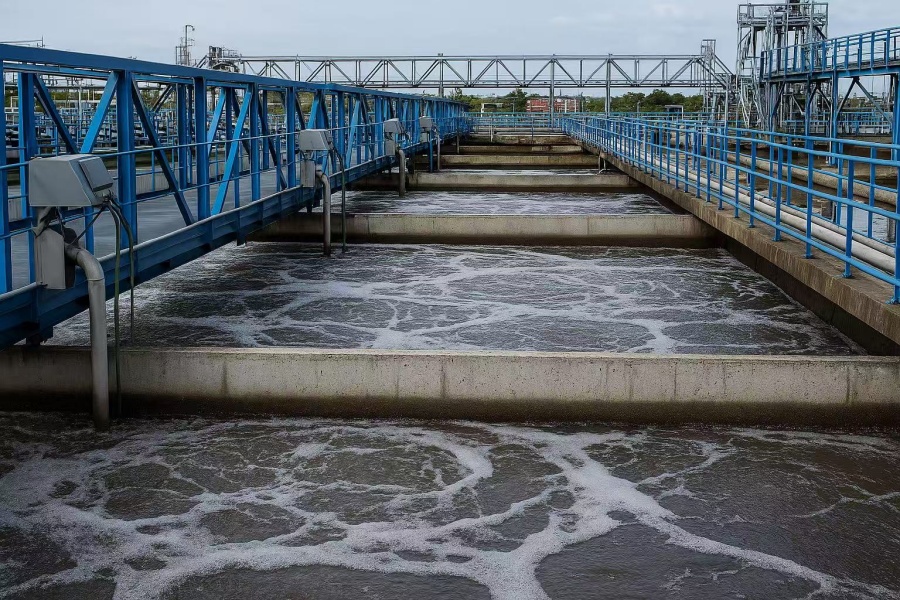
Oxygen is a key element in the biological treatment process. In aerobic zones of wastewater facilities, microorganisms depend on oxygen to break down organic pollutants effectively. If oxygen levels fall too low, biological efficiency drops, leading to incomplete treatment, odors, and compliance failures. Conversely, excess oxygen results in unnecessary energy consumption. Dissolved oxygen sensors allow operators to monitor and control these levels in real time, ensuring the system runs within optimal ranges. This balance is critical for reducing operational costs and safeguarding water quality.
?
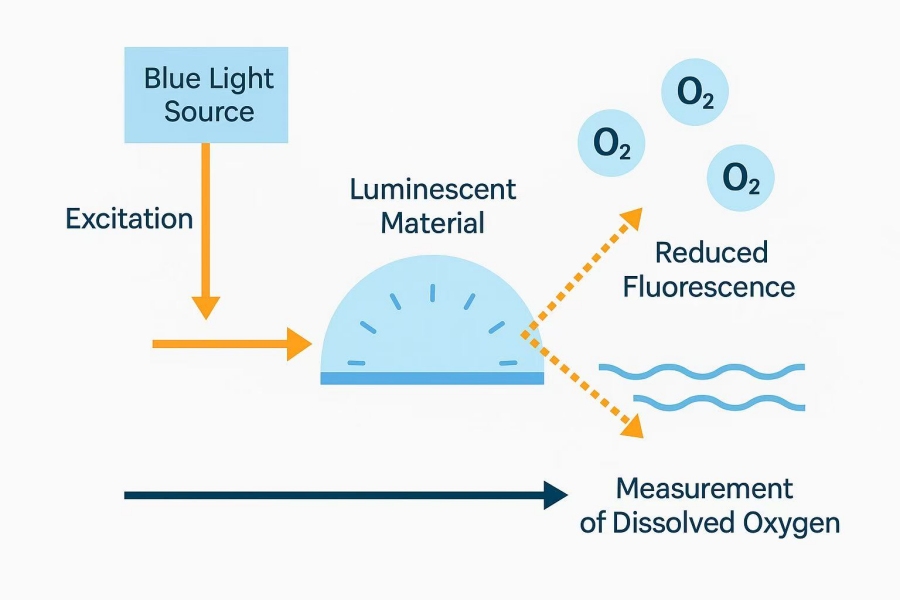
Modern DO sensors—particularly those based on optical fluorescence technology—are designed for high precision, low maintenance, and long-term stability. Unlike electrochemical sensors, optical sensors do not consume oxygen during measurement. They use a luminescent material that reacts to blue light by emitting red fluorescence, the decay rate of which correlates with oxygen concentration. This method eliminates issues such as membrane fouling, electrolyte depletion, and frequent recalibration. Many advanced models are now equipped with digital interfaces, such as Modbus or RS485, which enhance compatibility with control systems and data platforms in wastewater facilities.
?
Applications
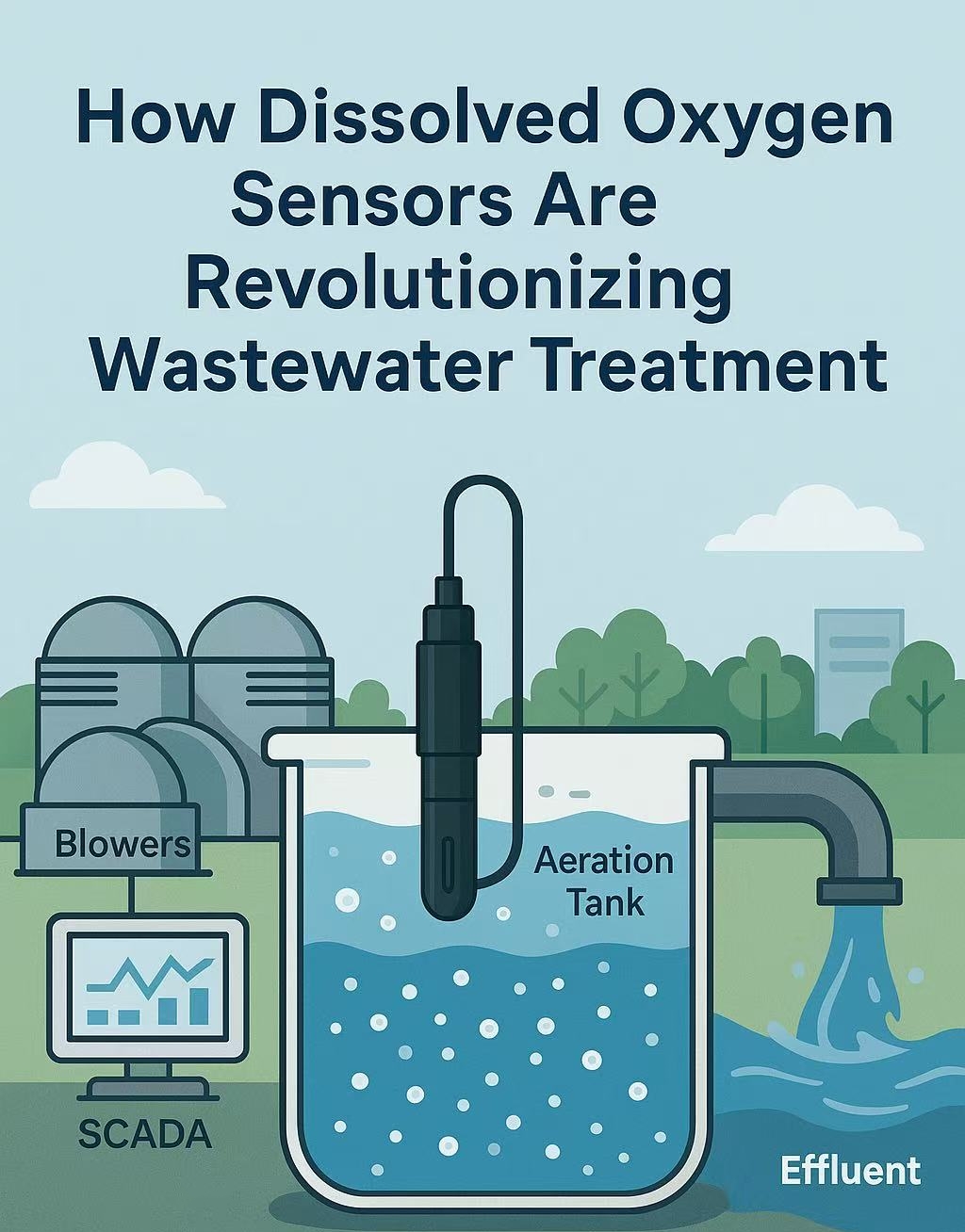
Dissolved oxygen sensors are used throughout various stages of wastewater treatment, including aeration tanks, sequencing batch reactors (SBR), and membrane bioreactors (MBR). In aeration tanks, DO sensors are linked with variable speed blowers to regulate oxygen input based on real-time demand, reducing energy usage by as much as 30%. In SBR systems, sensors guide each treatment phase to maximize organic degradation. In MBRs, maintaining precise oxygen levels supports membrane performance and limits biofouling. These applications underscore the importance of accurate and responsive DO monitoring across treatment infrastructure.
?
Benefits
Integrating dissolved oxygen sensors into process automation offers multiple benefits: improved treatment efficiency, reduced energy costs, minimized sludge production, and increased system reliability. Accurate oxygen control also supports regulatory compliance by ensuring effluent meets discharge limits for biochemical oxygen demand (BOD) and chemical oxygen demand (COD). As sustainability and data-driven operations become priorities, DO sensors are integral to building smarter and greener treatment plants.
?
Conclusion
Dissolved oxygen sensors are at the forefront of technological innovation in wastewater treatment. Their ability to deliver real-time, accurate oxygen measurements enhances process stability, reduces environmental impact, and supports operational efficiency. As the industry continues to evolve, adopting advanced DO sensors will be key to staying competitive and compliant. To explore more solutions tailored for your application, visit our main category page for
Dissolved Oxygen Sensors.