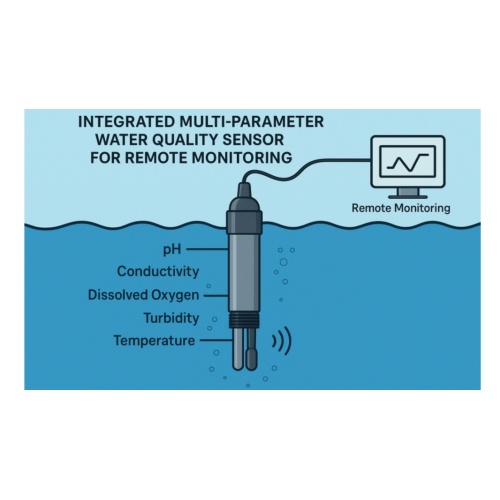
Overview
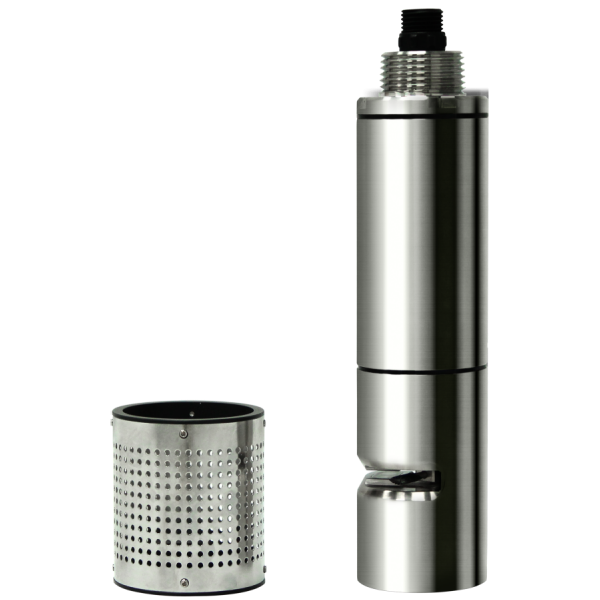
Chemical Oxygen Demand (COD) sensors play a crucial role in monitoring water quality across various industries, from municipal wastewater treatment plants to industrial effluent management. Selecting the right COD Sensor is essential for accurate monitoring and efficient treatment processes. This article will explore what COD is, why its monitoring is critical, the characteristics of different water qualities, and how to choose the most suitable COD sensor based on specific water conditions.
?
What is COD and Why is it Important?
COD, or Chemical Oxygen Demand, is a measure of the amount of organic and inorganic compounds in water that can be oxidized. It indicates the level of pollution in water by assessing the oxygen required to break down contaminants. Monitoring COD is essential because it provides a quick estimation of water quality and pollution levels. High COD levels can harm aquatic life, lead to environmental degradation, and violate regulatory standards.
?
Understanding Different Water Qualities
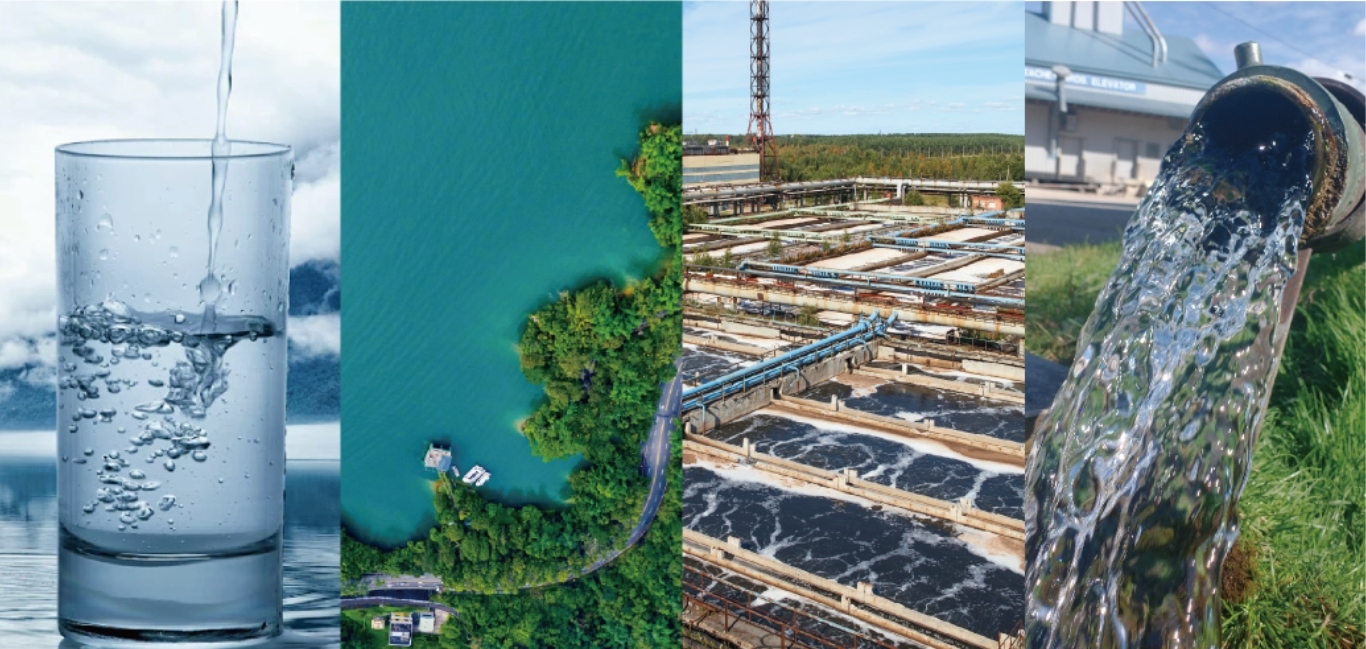
Water quality can vary significantly depending on the source and use. For instance:
? Municipal Wastewater: Typically contains a mix of organic matter from households and commercial facilities.
? Industrial Wastewater: Often has a higher concentration of chemicals, oils, or heavy metals depending on the industry.
? Surface Water (Rivers, Lakes): May have seasonal fluctuations in COD levels due to rainfall, runoff, or biological activity.
? Groundwater: Generally has lower organic contamination but could contain industrial leakage or agricultural runoff.
Understanding the specific characteristics of the water being monitored is critical when selecting a COD sensor.
?
How to Choose the Right COD Sensor Based on Different Water Qualities
1. For Municipal Wastewater
Choose a COD sensor that can handle a wide range of organic loads and has strong resistance to fouling. Optical COD sensors with self-cleaning features are highly recommended for these environments.
2. For Industrial Wastewater
Select a COD sensor that can withstand harsh chemicals and extreme pH levels. A sensor made with robust materials such as stainless steel or high-grade polymers, and with high chemical resistance, is essential.
3. For Surface Water Monitoring
Sensors used for rivers or lakes should have high sensitivity and stability. Since COD levels can fluctuate significantly, a sensor with a wide dynamic measurement range and good temperature compensation is necessary.
4. For Groundwater Monitoring
Groundwater typically has lower COD concentrations, so sensors with high accuracy and low detection limits are ideal. Optical sensors are often preferred due to their precision in detecting slight changes in water quality.
?
Additional Factors to Consider
? Maintenance Requirements: Low-maintenance sensors reduce operating costs and ensure continuous operation.
? Installation Environment: Fixed installation vs portable applications may require different sensor designs.
? Data Output and Integration: Ensure the sensor supports your existing data systems (e.g., RS485 Modbus, 4-20mA).
?
Conclusion
Choosing the right COD sensor depends on a thorough understanding of the specific water quality conditions you are dealing with. By matching sensor capabilities to the water characteristics, you can achieve more reliable monitoring, improve treatment efficiency, and maintain regulatory compliance. Investing time in selecting the appropriate COD sensor will ultimately result in better water quality management and operational success.