Home> Industry News> pH Analyzer (pH Meter) Working Principle and Application Analysis

pH Analyzer (pH Meter) Working Principle and Application Analysis

2025,04,28

Overview

In modern scientific research, production and environmental monitoring, the acidity and alkalinity of the solution (i.e. pH value) is a crucial indicator. In order to accurately measure and monitor this parameter, pH analyzers (also known as pH meters) came into being. This article will introduce in detail the working principle of pH analyzers and their applications in various fields.
?

Working principle of pH analyzer

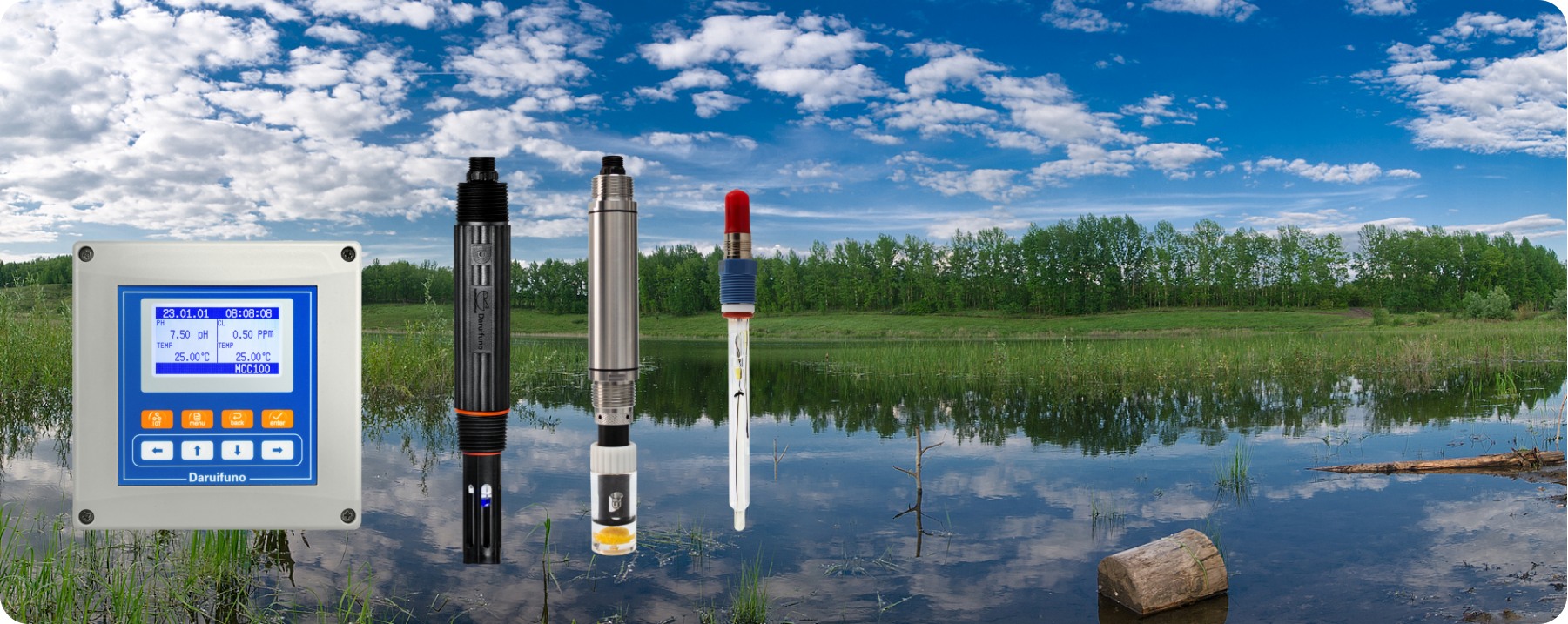
The working principle of pH analyzer is mainly based on electrochemical principles, and reflects its pH value by measuring the activity of hydrogen ions (H?) in the solution. This process mainly relies on two core components: PH Sensor or pH electrode and pH controller.
?

Composition and function of pH electrode

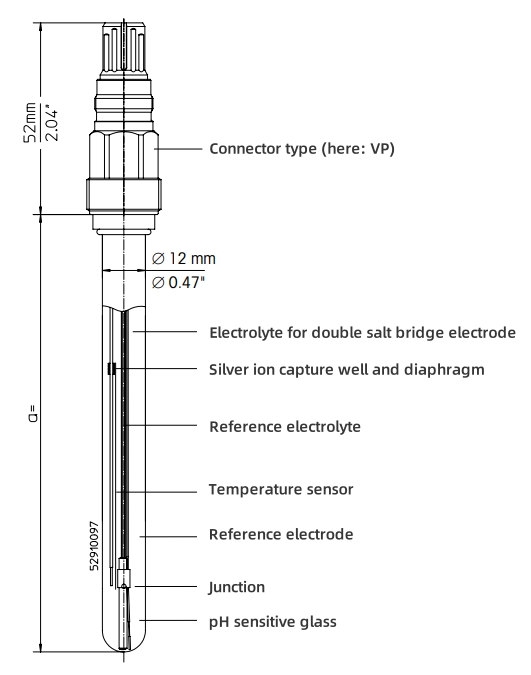
The pH electrode is the core sensor of the pH analyzer, usually made of a glass membrane that is sensitive to hydrogen ions. This glass membrane can generate a potential difference that is directly related to the pH value of the solution. When the electrode contacts the solution to be tested, the H? ions in the solution will pass through the glass membrane and form a certain concentration difference inside and outside the membrane, thereby generating a potential difference. This potential difference is linearly related to the logarithm of the H? concentration in the solution, that is, it follows the Nernst equation. By measuring this potential difference, we can indirectly know the pH value of the solution.
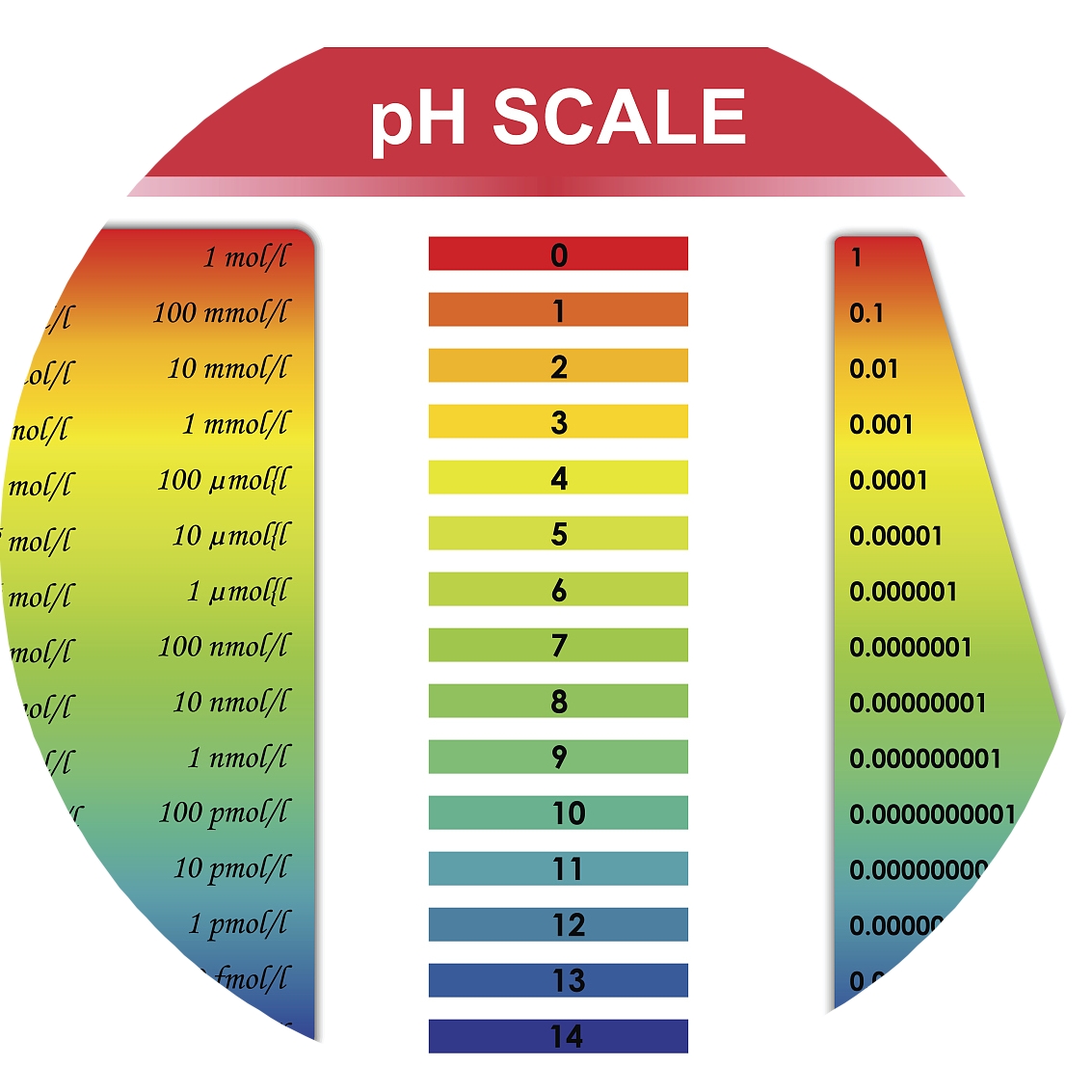
pH Sensor & Electrode CompositionpH SCALE
?

The role of pH controller

The pH controller is the "brain" of the pH analyzer, responsible for receiving, processing and displaying electrical signals from the pH electrode. First, the amplifier inside the controller converts the tiny potential difference into an electrical signal that is easy to process and transmit. Then, after a series of algorithm processing, this electrical signal is converted into an intuitive pH value and displayed on the screen of the instrument. Users can understand the pH value of the solution by reading this value. In addition, some advanced pH controllers also have functions such as automatic calibration and alarm to ensure the accuracy and reliability of the measurement.
?

Application fields of pH analyzers

Due to their high precision and convenience, pH analyzers have been widely used in many fields.
?

Laboratory application

In scientific research fields such as chemistry and biology, pH analyzers are indispensable experimental tools. It can accurately measure the pH value of various solutions and provide accurate data support for scientific researchers. This helps them to gain an in-depth understanding of important information such as the progress of chemical reactions and the metabolic activities of organisms.
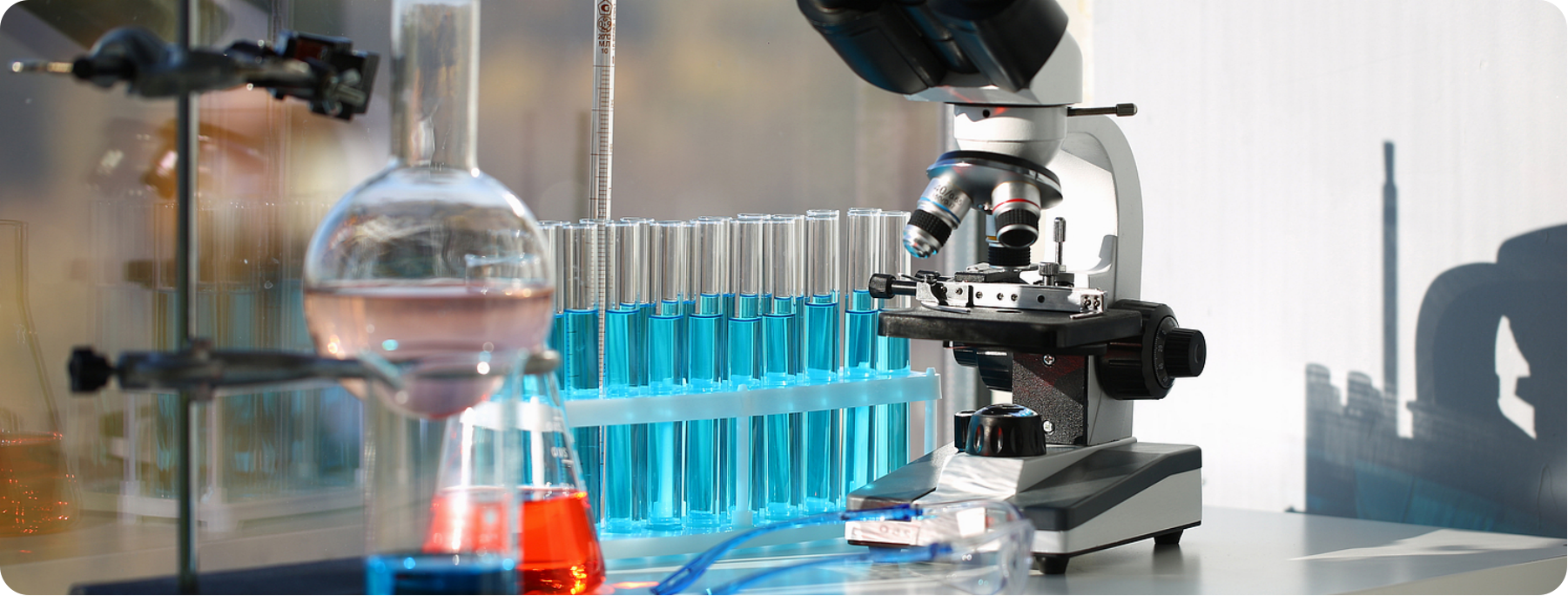
Laboratory pH Analysis
?

Industrial production

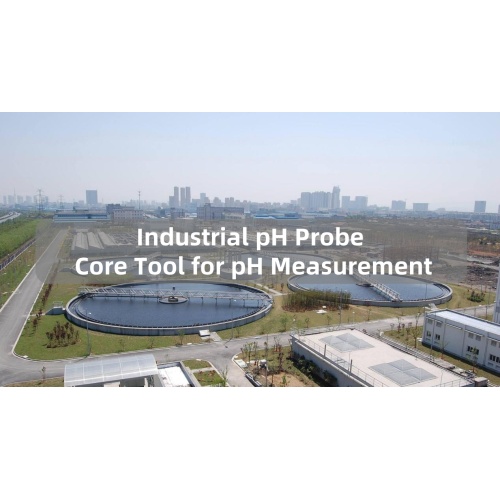
In the industrial production processes of food, pharmaceuticals, chemicals, etc., the pH value of the solution is crucial to product quality. Therefore, pH analyzers are widely used in the production lines of these industries to monitor changes in pH during the production process. This helps ensure that products meet quality standards and improve production efficiency.
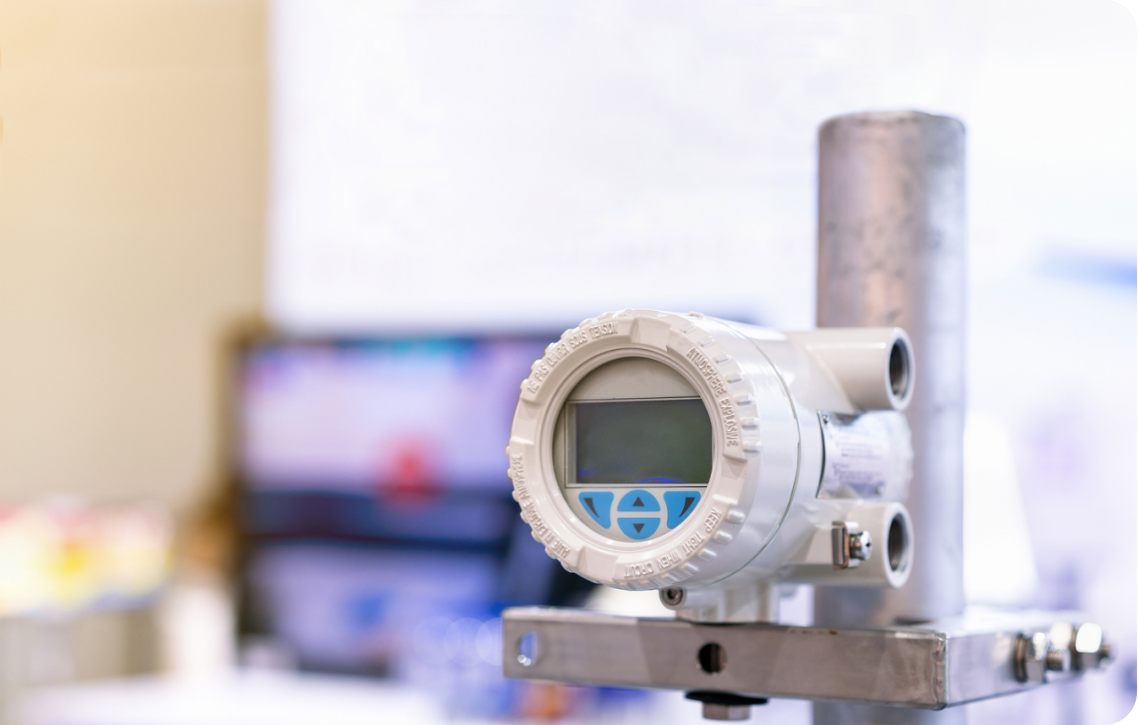
Industrial Process pH Monitoring
?

Environmental monitoring

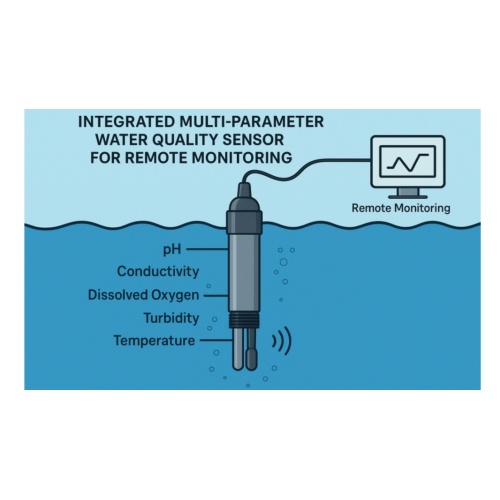
Environmental protection is one of the important issues in today's society. pH analyzers play an important role in water quality monitoring. By measuring the pH value of water bodies, we can assess the health of water bodies, detect potential pollution problems in a timely manner, and take corresponding treatment measures. This is of great significance for protecting water resources and maintaining ecological balance.
pH Analyzer & Environmental Monitoring
?

In summary

As a high-precision, convenient and reliable pH measurement tool, pH analyzers play an important role in many fields such as scientific research, production and environmental monitoring. With the continuous advancement of technology and the continuous expansion of application fields, pH analyzers will continue to contribute to the development of human society.
If you want to know more about pH analyzer, please visit our pH ORP Analyzer category page to get product information and technical support。
?
Contact Us

Author:

Ms. Selena

Phone/WhatsApp:

++86 18013144571

Popular Products
You may also like
Related Information
Daruifuno Sensor & Probe-Pressure and Waterproof Test

In the field of water quality monitoring and analysis, Daruifuno's water quality instrument development team has stringent requirements on the performance of sensors, especially for waterproof...

Signal detection and temperature compensation calibration of fluorescent dissolved oxygen sensor

Overview As a high-precision water quality monitoring device, the signal detection process of fluorescent dissolved oxygen sensor involves knowledge and technology in multiple fields such as optics,...

The Characteristics and Applications of Electrode Glass Membrane

Introduction to Electrode Glass Membrane The electrode glass membrane, a critical component in pH electrodes, possesses a series of unique properties that make it suitable for use in harsh...

Water Quality Monitoring and Control: Optimizing Water Treatment with Sensors

Overview Water quality is a critical factor in environmental protection, industrial processes, and public health. Effective monitoring and control help maintain safe drinking water, optimize...

Related Categories

Email to this supplier

Subject:
Email:
Message:

Your message must be between 20-8000 characters

We will contact you immediately

Fill in more information so that we can get in touch with you faster

Privacy statement: Your privacy is very important to Us. Our company promises not to disclose your personal information to any external company with out your explicit permission.

Send