

Send Message
Privacy statement: Your privacy is very important to Us. Our company promises not to disclose your personal information to any external company with out your explicit permission.
 Suzhou Delfino Environmental Technology Co., Ltd.
Select Language
English
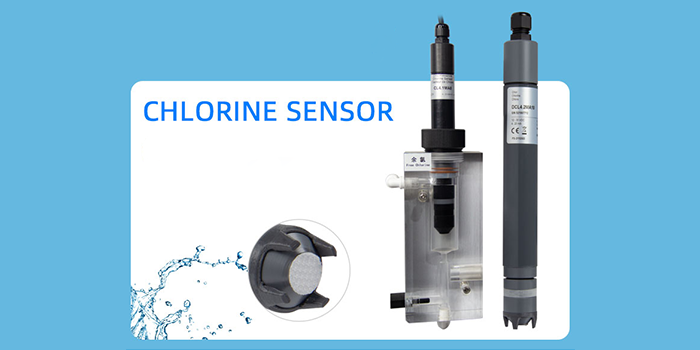
Residual chlorine is one of the commonly used disinfectants. Monitoring the residual chlorine value can evaluate the disinfection effect during the water treatment process. Residual chlorine electrodes are usually used in various water quality treatment situations such as swimming pools, drinking water, water plants, medical institutions, industrial wastewater monitoring, etc. Daruifuno's residual Chlorine Sensor adopts a film-coated ampere system. There are three electrodes for monitoring different water quality. The CL4.2 model residual chlorine sensor is used for drinking water, the CS4 model residual chlorine sensor is used for sewage, and the CC1 model residual chlorine sensor is used for swimming pools.
?
Compared with the traditional colorimetric residual chlorine analyzer, the film-coated ampere principle residual chlorine sensor has the advantages of simple operation, stable measurement data, fast electrode response, no need to consume chemical reagents, and only needs to replace the membrane cover and cap once every 6-12 months. Electrolyte. This kind of residual chlorine electrode has requirements on the flow rate of water and must be installed with a flow cell. So how to install the residual chlorine electrode correctly?
1. Place the assembled residual chlorine electrode into the flow cup. Note that the optimal distance between the electrode and the bottom of the flow cup is 2cm.
2. Pass water through the flow cell, adjust and control the flow rate at 15~30L/H and constant, and the maximum inlet water pressure does not exceed 3bar. Note: If the water pressure exceeds the maximum allowable range or fluctuates violently, it may cause damage to the diaphragm or data fluctuations.
3. Connect the electrode to the controller and start powering on.
Precautions for operating the residual chlorine electrode
1. The electrode must work in continuously flowing water with disinfectant.
2. The electrode cannot be left in water without disinfectant for more than 24 hours at most, otherwise the membrane cap will be damaged.
3. The sensor cannot be directly impacted by pressure pulses or vibrations generated by the sample water.
4. Large impurities will wear the membrane cap, and a filter should be installed in the measurement system.
About maintenance of residual chlorine electrode
The membrane cap replacement cycle of the residual chlorine electrode is one year, and the specific service life depends on the water quality. The electrolyte replacement cycle ranges from 3 to 12 months. Before replacing the electrolyte, you need to cut off the power first, and then follow the steps to disassemble the electrode. Each change of electrolyte requires recalibration of the electrode.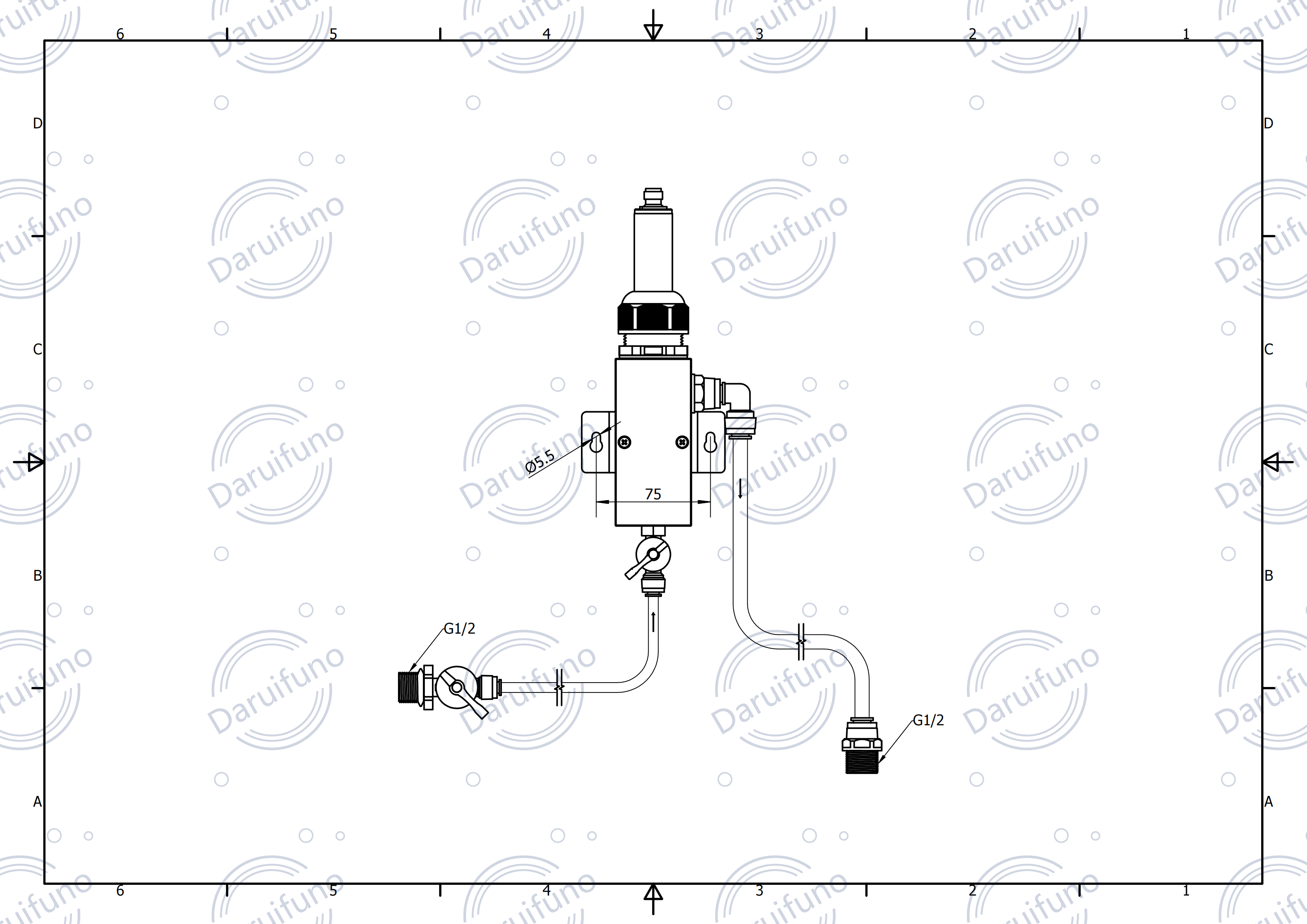
We provide matching residual chlorine electrode flow cups, including hoses. If you have any questions about the installation and use of residual chlorine electrodes, please contact us. Delfino company focuses on the R&D, production and sales of water quality analysis instruments. Its main products include online pH ORP analyzer, conductivity analyzer, turbidity analyzer, dissolved oxygen analyzer, COD analyzer, ammonia analyzer, suspend solid sensor, chlorine analyzer, etc.

September 25, 2024

August 27, 2024

November 07, 2023
October 20, 2023
In the field of water quality monitoring and analysis, Daruifuno's water quality instrument development team has stringent requirements on the performance of sensors, especially for waterproof...
Overview As a high-precision water quality monitoring device, the signal detection process of fluorescent dissolved oxygen sensor involves knowledge and technology in multiple fields such as optics,...
Introduction to Electrode Glass Membrane The electrode glass membrane, a critical component in pH electrodes, possesses a series of unique properties that make it suitable for use in harsh...
Overview Water quality is a critical factor in environmental protection, industrial processes, and public health. Effective monitoring and control help maintain safe drinking water, optimize...
Email to this supplier
September 25, 2024
August 27, 2024
November 07, 2023
October 20, 2023
About Us
Related Products List
Contact Us

Send Inquiry
Privacy statement: Your privacy is very important to Us. Our company promises not to disclose your personal information to any external company with out your explicit permission.
Fill in more information so that we can get in touch with you faster
Privacy statement: Your privacy is very important to Us. Our company promises not to disclose your personal information to any external company with out your explicit permission.