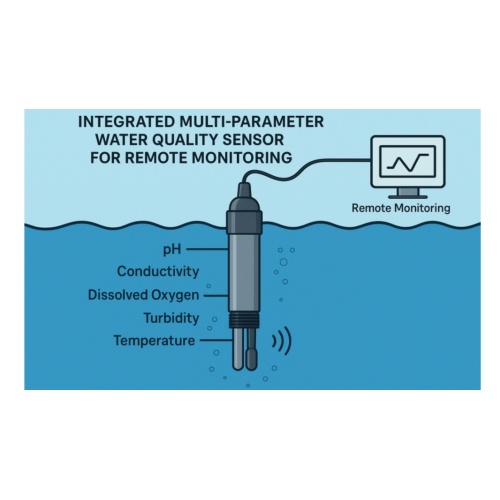
Conductivity is an important measure of ion concentration in water, making it essential to monitor in almost all types of water quality applications. Conductivity electrodes are widely used in drinking water, wastewater, groundwater, seawater, agricultural irrigation water, industrial process water, and more. According to water quality classification, there are ultrapure water, pure water, industrial water, sewage, concentrated liquid, etc. Different water qualities require the use of conductivity electrodes with different K constants.
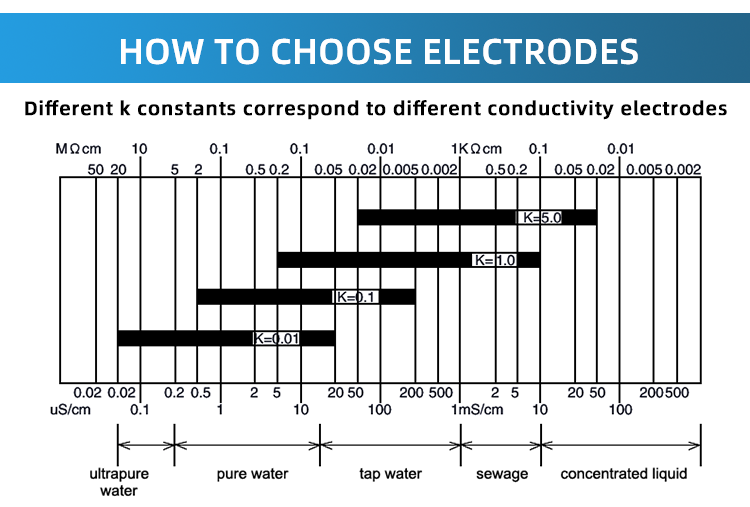
Choosing the Right Conductivity Sensor
The installation guide we're discussing focuses on the two-electrode type stainless steel Conductivity Probe. The ASCK series of stainless steel conductivity sensors developed and produced by Daruifuno offer three K constants to choose from: 0.01, 0.1, and 1. Customers can select different electrodes based on their specific water quality requirements.
Pro Tip: Installing the conductivity sensor correctly is crucial. Incorrect installation can lead to unsatisfactory measurement data, so attention to detail during installation is vital to avoid measurement distortions.
Correct Installation Methods
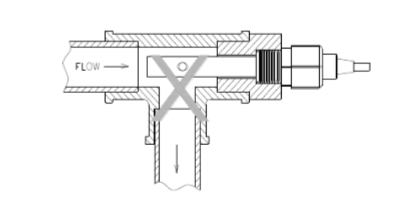
As illustrated below, the first installation method is incorrect because the electrode connector is too long, and the extending part is too short. This setup can create a dead space within the sensor, leading to measurement errors. The second method is correct, ensuring water flows in from the bottom of the sensor and exits through the hole, allowing for accurate conductivity measurements.
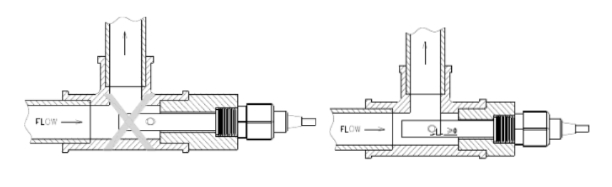
The hole of the conductivity electrode should not be higher than the pipe's outlet and is best positioned facing the outlet for optimal results.
Vertical Installation Considerations
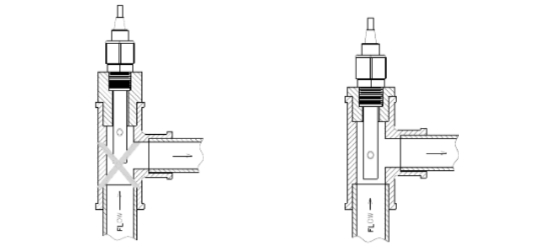
If installing the conductivity electrode vertically, the first method shown below will create an air cavity within the conductivity cell, causing measurement errors and instability. The second method is the recommended approach.
Common Installation Mistakes to Avoid
Other incorrect installation methods are depicted below. These can lead to measurement errors or instability due to inadequate water flow, incomplete pipe filling, or air accumulation at high points.
Custom Solutions from Daruifuno
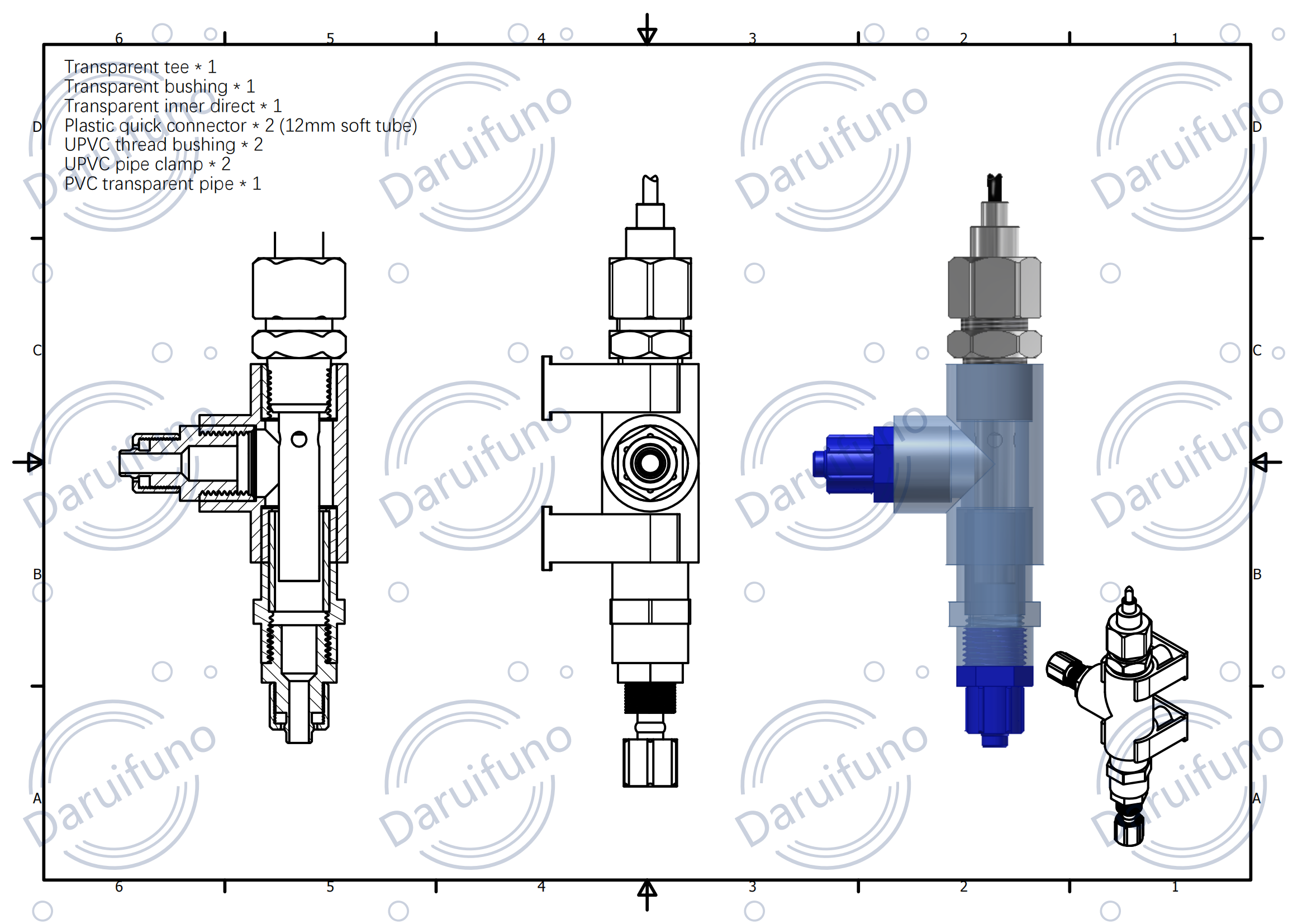
Daruifuno specializes in custom pipe fittings and can provide installation with Flow cells. If you're interested in our conductivity electrodes or have specific requirements, please contact us.
Delfino Company focuses on the R&D, production, and sales of water quality analysis instruments. Our main products include online pH/ORP analyzers, conductivity analyzers, turbidity analyzers, dissolved oxygen analyzers, COD analyzers, ammonia analyzers, suspended solid sensors, chlorine analyzers, and more. For all your water treatment needs, reach out to us today.