


 Contact Now

Send Message
Privacy statement: Your privacy is very important to Us. Our company promises not to disclose your personal information to any external company with out your explicit permission.
 Suzhou Delfino Environmental Technology Co., Ltd.
Select Language
English

Introduction to pH
Understanding Hydrogen Ions
Definition of Acidity and Alkalinity
Importance of pH Measurement
Methods of pH Measurement
Introduction to pH Electrodes
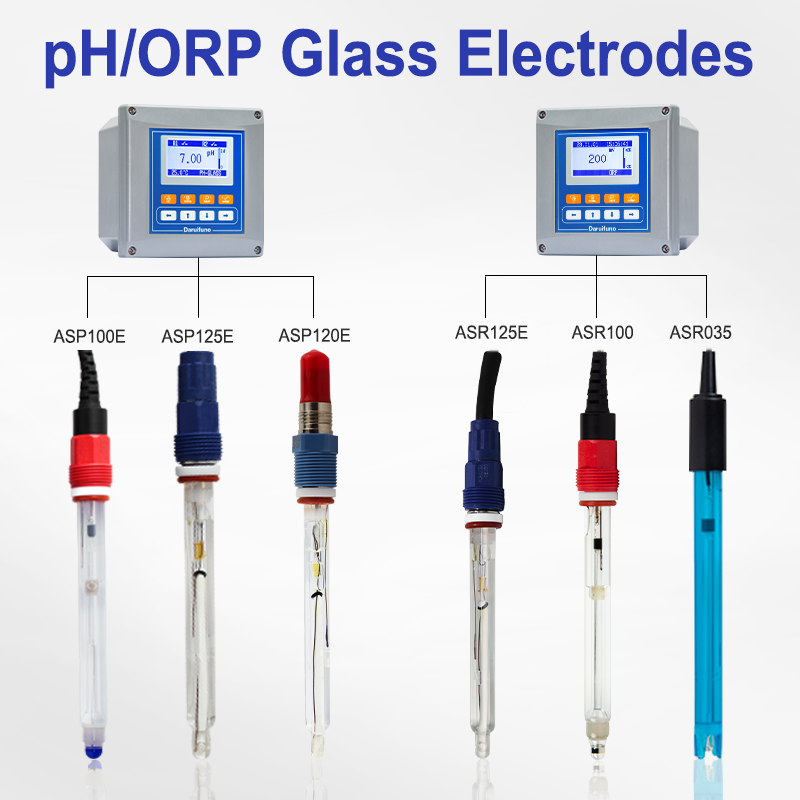
Types of pH Electrodes
Calibration of pH Electrodes
Maintenance of pH Electrodes
Conclusion
pH is a numerical value that describes the acidity or alkalinity of a solution, typically ranging from 0 to 14. This value is determined by the concentration of hydrogen ions (H+) in the solution. A value of 7 represents neutrality, lower values indicate acidity, and higher values indicate alkalinity. Changes in pH can significantly impact chemical reactions, biological activities, and environmental conditions.
Hydrogen ions (H+) play a crucial role in solutions. When a water molecule (H2O) loses an electron, it dissociates into a positively charged hydrogen ion (H+) and a negatively charged hydroxide ion (OH-). This dissociation process is fundamental to the acidity and alkalinity of aqueous solutions. An increase in the concentration of hydrogen ions makes the solution acidic, while an increase in the concentration of hydroxide ions makes the solution alkaline.
According to the Arrhenius theory, acids are substances that donate hydrogen ions (H+) to a solution, while bases are substances that donate hydroxide ions (OH-) to a solution. This donation process alters the pH of the solution. Besides the Arrhenius theory, other theories such as the Bronsted-Lowry theory and the Lewis theory also define acids and bases, but the Arrhenius theory is the most intuitive and practical for describing the acidity and alkalinity of aqueous solutions.
pH measurement is crucial in various fields. In environmental science, understanding the pH of water bodies helps assess water quality and ecosystem health. In biotechnology, controlling pH during cell culture and fermentation processes is essential for the yield and quality of biological products. In food processing, measuring pH helps ensure food safety and stability. In medicine, the pH of blood and tissue fluids is vital for sustaining life activities.
There are several methods to measure pH, including using pH strips, pH meters, and pH electrodes. pH strips are a simple and quick measurement method but have relatively low accuracy. pH meters are more precise measurement tools, often equipped with digital displays that show the pH value in real-time. pH electrodes are one of the most accurate and reliable methods, measuring the pH of a solution by immersing the electrode and interpreting the electrical signal generated by the electrode.
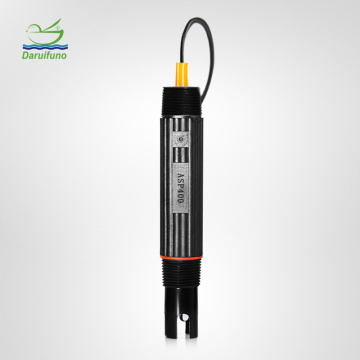
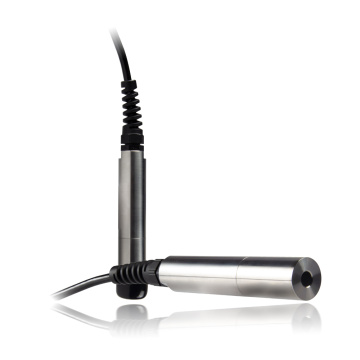
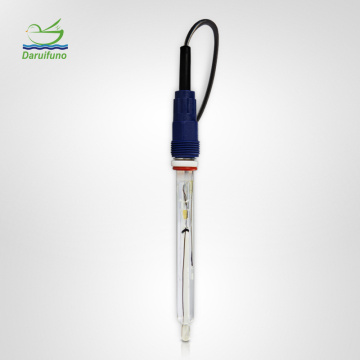
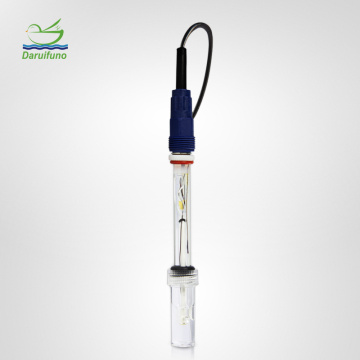
A pH electrode is a sensor specifically designed to measure the pH of a solution. It typically consists of a glass membrane, a reference electrode, and an electrolyte. The glass membrane is the core part of the electrode, responsive selectively to hydrogen ions. The reference electrode provides a stable potential reference. The electrolyte fills the space between the glass membrane and the reference electrode, conducting current. When the electrode is immersed in a solution, hydrogen ions on the glass membrane exchange with hydrogen ions in the solution, generating an electrical signal proportional to the solution's pH value.
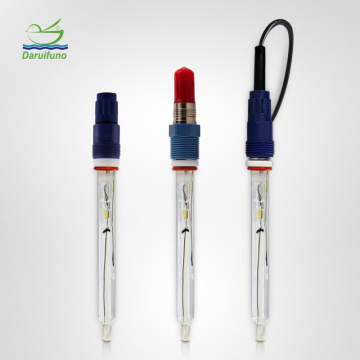
Based on structure and application, pH electrodes can be classified into various types. Glass electrodes are the most common type, suitable for measuring the pH of most aqueous solutions. Solid electrodes offer higher stability and durability, suitable for measurements in high-temperature, high-pressure, or corrosive solutions. Ion-selective electrodes are selective to specific ions and can be used to measure the concentration and pH of specific ions.
To ensure the accuracy of pH electrodes, they need to be calibrated regularly. The calibration process typically involves immersing the electrode in buffer solutions of known pH values and adjusting the electrode's output to match these known values. Common buffer solutions include those with pH values of 4.0, 7.0, and 10.0. Calibration eliminates drift and errors in the electrode during use, ensuring the accuracy of measurement results.
To extend the lifespan and maintain the accuracy of pH electrodes, regular maintenance and cleaning are required. This includes cleaning the electrode surface to remove attachments, replacing aged electrolytes, and checking the electrode connections for good contact. Additionally, it is important to avoid exposing the electrode to extreme temperatures or humidity for extended periods and to prevent direct contact with corrosive substances such as strong acids, strong bases, or organic solvents.
By understanding the basic concepts and measurement methods of pH, we can better comprehend and control the chemical properties of solutions. pH electrodes, as accurate and reliable measurement tools, play a vital role in various fields. With proper use and maintenance, we can ensure the accuracy and longevity of pH electrodes, providing strong support for scientific research, industrial production, and practical life applications.
About Us
Related Products List
Contact Us

Send Inquiry


Privacy statement: Your privacy is very important to Us. Our company promises not to disclose your personal information to any external company with out your explicit permission.
Fill in more information so that we can get in touch with you faster
Privacy statement: Your privacy is very important to Us. Our company promises not to disclose your personal information to any external company with out your explicit permission.