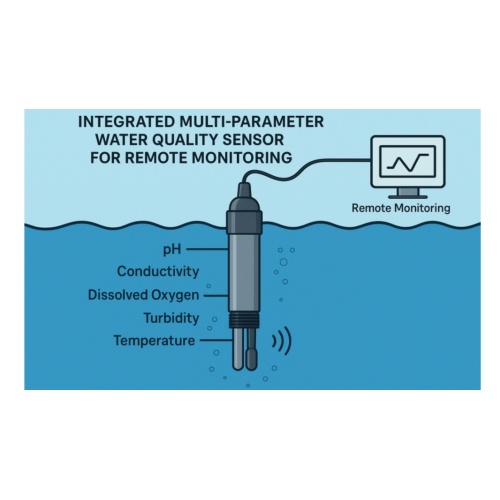
Turbidity sensors, also known as turbidity probes, are critical tools in the field of water quality monitoring. These devices measure the cloudiness or haziness of a liquid, which is caused by the presence of suspended particles. Turbidity levels serve as an important indicator of water quality, making these sensors indispensable in various water-related applications.
What is Turbidity and How is it Measured?
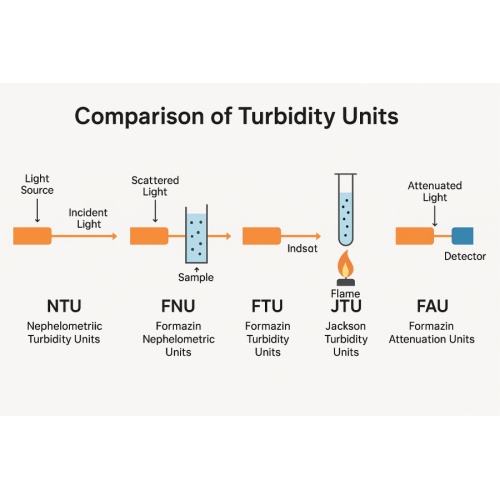
Turbidity refers to the amount of light scattered by particles suspended in a liquid. A Turbidity Sensor measures this scattering to determine the clarity of water. The result is typically expressed in Nephelometric Turbidity Units (NTU). Lower turbidity indicates clearer water, while higher turbidity often signals contamination or the presence of pollutants.
?
Applications of Turbidity Sensors in Different Water Types
- Drinking Water: Turbidity sensors are essential in monitoring drinking water quality. High turbidity levels can indicate contamination with dirt, bacteria, or other harmful substances, which may pose risks to public health.
- Wastewater: In wastewater treatment, turbidity sensors help assess the effectiveness of sedimentation and filtration processes.
- Industrial Water: Many industries require water with specific clarity levels to avoid damage to equipment and ensure process efficiency.
- Natural Water Bodies: In rivers, lakes, and reservoirs, turbidity sensors are employed for environmental monitoring to detect sedimentation caused by soil erosion or pollution.
- Aquaculture: In aquaculture, maintaining optimal water quality is crucial for the health of fish and other aquatic organisms.
Advantages of Using Turbidity Sensors
- Real-Time Monitoring: Provides immediate feedback on water quality.
- Versatility: Can be used in various types of water, from drinking water to wastewater.
- Automation: Easily integrated into automated water monitoring systems.
- Environmental Protection: Supports sustainable water management practices.
Conclusion
Turbidity sensors play a pivotal role in monitoring and maintaining water quality across a range of applications. From ensuring safe drinking water to protecting natural ecosystems, these sensors provide accurate and real-time data that support sustainable water management. As the need for clean water continues to grow, the importance of turbidity sensors in water quality monitoring will only increase.