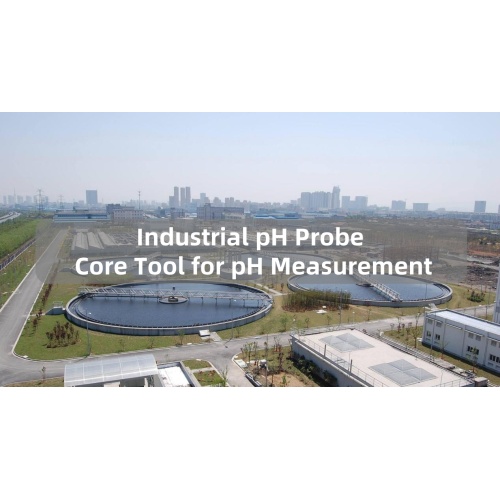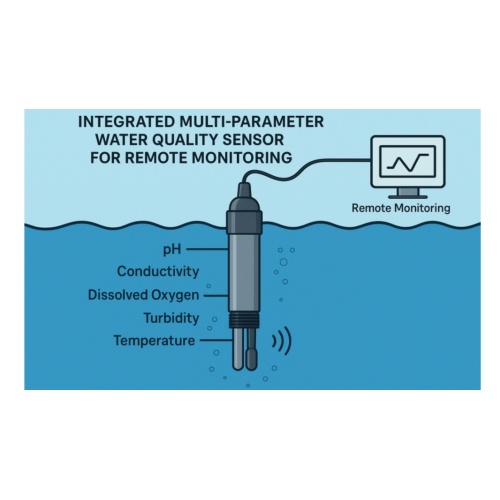
Selecting the right PH Sensor for water treatment is critical for maintaining operational efficiency and water quality compliance. In complex water treatment processes—from municipal wastewater treatment to industrial water reuse systems—accurate and reliable pH measurement plays a vital role in ensuring chemical dosing, filtration, and discharge standards are met. However, not all pH probes are created equal, and selecting the best sensor depends on several environmental and application-specific factors.
?
Understanding Sensor Installation Options
The installation method directly influences both the performance and lifespan of a pH sensor in water treatment systems. There are typically three common mounting options:
- Inline installation: Best suited for continuous monitoring in pipelines and closed-loop systems.
- Submersible installation: Ideal for open tanks, reservoirs, or basins where sensors can be suspended into the liquid.
- Flow-through holders: Used when precise sample control and easy maintenance access are required.
Choosing the correct mounting type ensures stable readings and protects the sensor from physical damage or fouling.
?
Measurement Precision and Response Time
In water treatment applications, even slight deviations in pH can affect coagulation, disinfection, and biological activity. A high-quality pH Probe should offer:
- High accuracy (±0.01 pH or better)
- Fast response times to capture rapid fluctuations
- Stable signal output with minimal drift
Digital pH sensors often outperform analog probes in precision, particularly in dynamic environments such as aeration basins or dosing tanks.
?
Material Compatibility and Durability
Different water treatment processes expose sensors to varying levels of chemical and physical stress. It’s essential to choose a sensor made from materials that can withstand the process environment:
- Glass electrodes are standard but may not be suitable for abrasive or high-pressure applications.
- PEEK or PPS bodies provide excellent chemical resistance in harsh industrial conditions.
- Titanium or stainless steel housings add mechanical strength and prevent corrosion in brine or high-salinity water.
Selecting a pH probe with the right build quality minimizes maintenance needs and extends operational life.
?
Suitability for Wastewater and Sludge Applications
Wastewater contains solids, fats, oils, and organic matter that can quickly clog or damage delicate sensors. For such conditions, consider:
- Flat surface electrodes to reduce fouling
- Self-cleaning or automatic cleaning systems
- Sensors with temperature compensation (ATC) for greater stability in variable temperatures
Sensors designed for sludge or raw sewage should be rugged and easy to clean, while still delivering reliable data.
?
Smart Sensor Features
Modern water treatment facilities are increasingly adopting digital pH sensors with advanced features such as:
- Modbus RS485 communication for seamless integration
- Built-in diagnostics for predictive maintenance
- Pre-calibrated cartridges for plug-and-play replacement
These technologies reduce downtime and enhance real-time process control.
?
Conclusion
Choosing the best pH sensor for water treatment requires understanding your application’s environmental conditions, process dynamics, and system requirements. From installation flexibility to material compatibility, every detail contributes to the accuracy, stability, and cost-effectiveness of your pH monitoring solution.
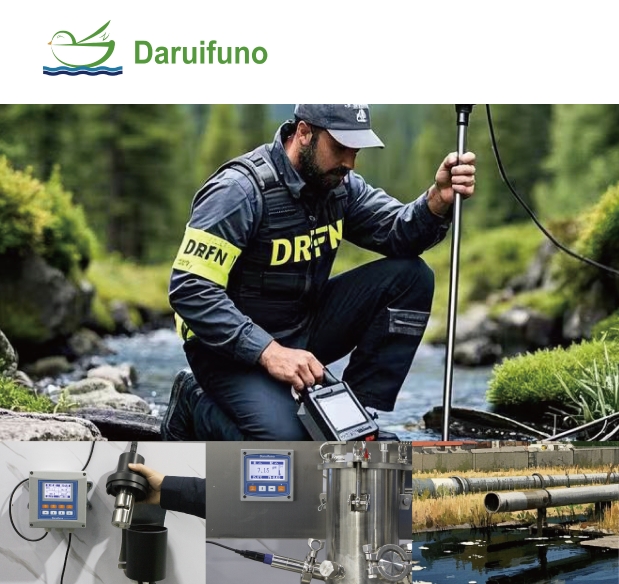
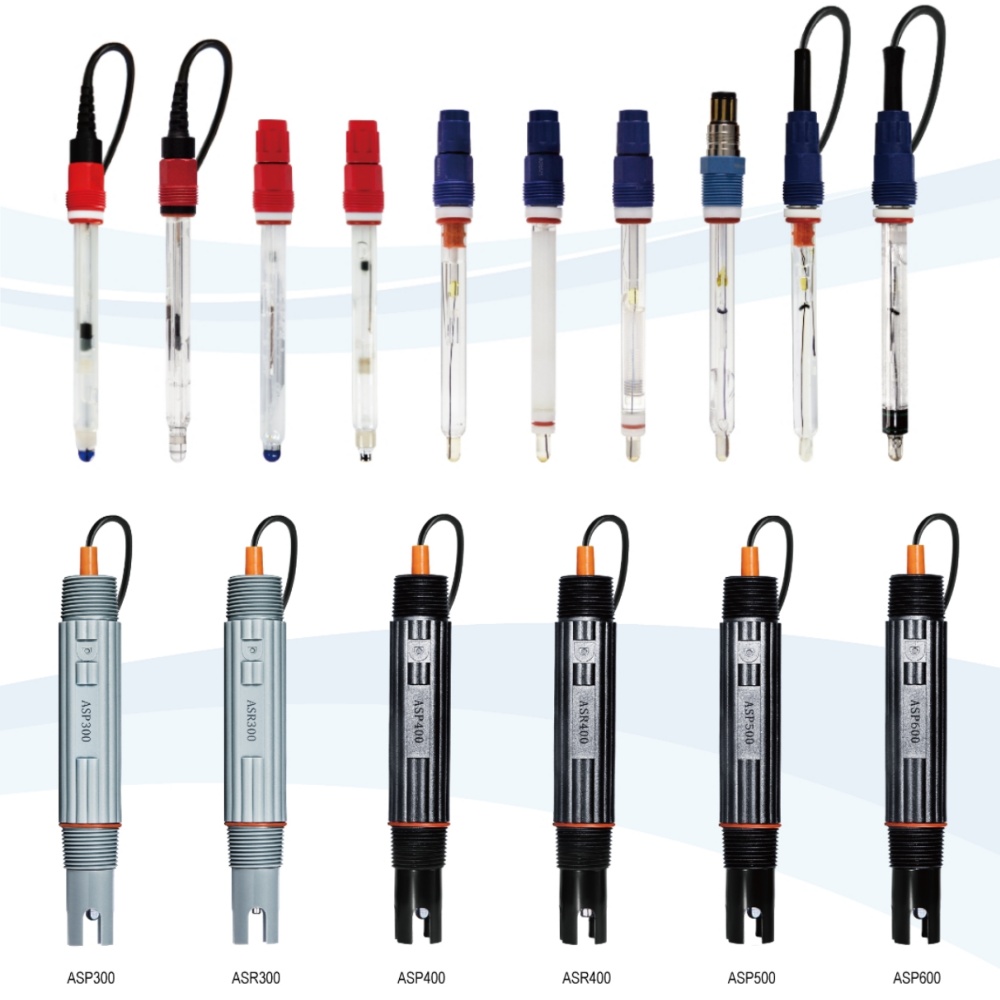
At Daruifuno, we provide a wide range of pH sensors specially designed for water treatment applications. Our sensors are known for their reliability, durability, and industry compatibility.
Explore our full selection of water treatment pH sensors here: Water Treatment pH Sensor Category
Let us help you find the perfect solution for your process today.